
5 Reasons Your Dog May be Peeing Inside and How to Stop It
Why has my dog started peeing inside? Is your dog having accidents in the house? Don’t worry, you’re not alone. Many dog owners have …
Read Article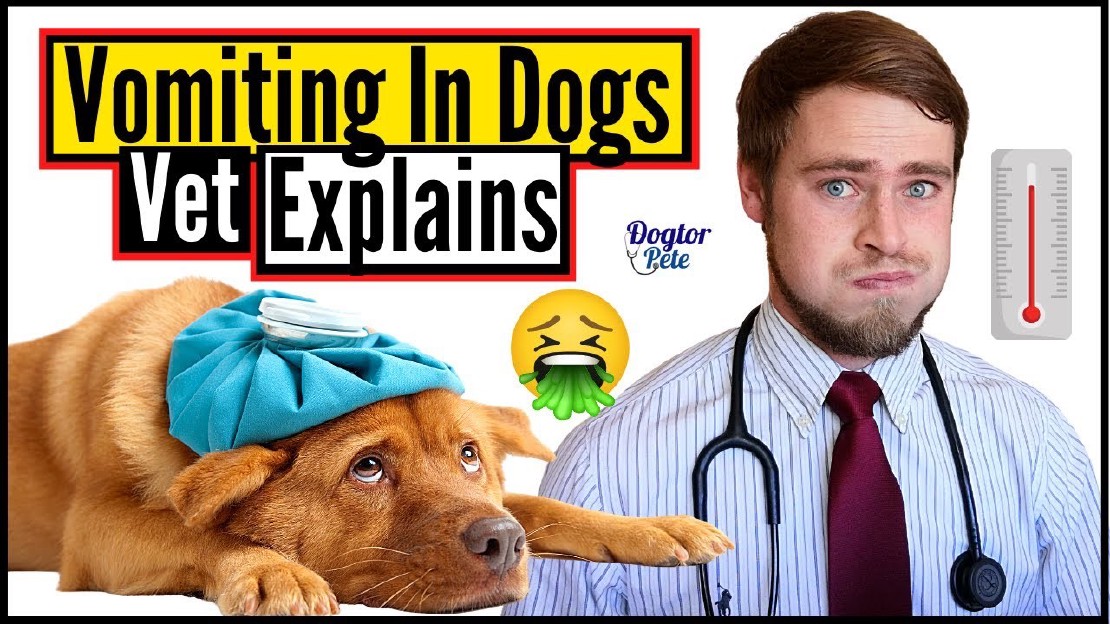
If your dog vomits occasionally, it is usually not a cause for immediate concern. Just like humans, dogs can sometimes get an upset stomach and throw up as a result. However, if your dog is vomiting frequently or if other symptoms are present, it may be a sign of a more serious underlying issue that requires veterinary attention.
One important factor to consider is the frequency of the vomiting episodes. If your dog only vomits once and then returns to their normal behavior and appetite, it is probably not necessary to rush to the vet. However, if your dog vomits multiple times in a short period, or if the vomiting continues for more than 24 hours, it would be advisable to seek veterinary advice.
Another factor to consider is the presence of other symptoms along with vomiting. For example, if your dog is lethargic, has a loss of appetite, diarrhea, or shows signs of pain or discomfort, it is important to consult with a veterinarian. These symptoms could indicate a more serious condition such as an infection, obstruction, or organ dysfunction.
If your dog vomits and you are unsure whether veterinary attention is necessary, it is always better to err on the side of caution and seek the advice of a professional. Vomiting can be a symptom of a wide range of health issues in dogs, some of which can be potentially life-threatening if left untreated. A veterinarian will be able to assess your dog’s overall health and provide appropriate treatment if necessary.
Vomiting is a common problem in dogs and can be caused by a variety of factors. It is important for dog owners to be able to recognize the signs of vomiting in their pets in order to determine if veterinary care is necessary.
1. Regurgitation: Regurgitation is when a dog brings up undigested food or fluids without any effort. This is different from vomiting, which involves forceful contractions of the stomach muscles.
2. Lip licking: Dogs may lick their lips when they are feeling nauseous or before they vomit. This can be a sign that they are not feeling well and may indicate that vomiting is imminent.
3. Excessive drooling: Excessive drooling can be a sign that a dog is about to vomit. Dogs may drool more than usual when they are feeling nauseous or when their stomach is upset.
4. Loss of appetite: Dogs who are experiencing vomiting may lose their appetite and refuse to eat. This can be a sign that they are not feeling well and should be assessed by a veterinarian.
5. Abdominal discomfort: Dogs may show signs of abdominal discomfort, such as pacing, restlessness, or whining, before they vomit. This can indicate that they are feeling nauseous and may need medical attention.
6. Changes in behavior: Dogs who are feeling unwell may exhibit changes in behavior, such as lethargy, irritability, or hiding. These changes can be a sign that they are experiencing vomiting or other medical issues.
7. Dehydration: Vomiting can lead to dehydration in dogs, especially if they are unable to keep fluids down. Signs of dehydration may include dry gums, sunken eyes, and decreased urination.
It is important to note that persistent or severe vomiting can be a sign of a serious underlying medical condition, such as an obstruction or organ dysfunction. If your dog is vomiting repeatedly, appears lethargic, or is showing other concerning symptoms, it is best to consult a veterinarian for an evaluation and appropriate treatment.
When your dog throws up, it’s important to pay attention to the specific details of the vomit. Look for any unusual color or texture. If the vomit is bright red or contains blood, this could be a sign of a more serious issue and you should consult your vet immediately. Similarly, if the vomit is accompanied by diarrhea or other digestive symptoms, this could be a sign of a gastrointestinal problem.
Pay attention to the frequency of vomiting. If your dog only vomits once and appears to be otherwise healthy and happy, it may not be necessary to rush to the vet. However, if your dog vomits repeatedly within a short period of time or if the vomiting continues for more than 24 hours, it’s best to seek veterinary advice.
Consider any recent changes in your dog’s diet or environment. If your dog has recently eaten something unusual or new, or if you’ve recently moved or introduced a new pet into the household, this could be the cause of the vomiting. In these cases, you may want to monitor your dog closely and consult your vet if the vomiting persists or if your dog shows any other concerning symptoms.
It’s also important to observe your dog’s behavior and overall health. If your dog is lethargic, lacks appetite, has a fever, or shows any other signs of illness in addition to the vomiting, it’s best to consult your vet. Your vet will be able to evaluate your dog’s overall health and determine the best course of action.
Vomiting in dogs can happen occasionally, but it’s important to pay attention to the frequency and consistency of your dog’s vomit. Occasional vomiting, especially after eating too quickly or consuming something unusual, may not be a cause for concern. However, if your dog vomits frequently or consistently, it could indicate an underlying health issue that requires veterinary attention.
If your dog is throwing up multiple times a day or several times a week, it’s important to seek veterinary care. Frequent vomiting may be a sign of gastrointestinal problems, such as gastritis, pancreatitis, or an obstruction in the digestive system. These conditions can cause discomfort and pose a risk to your dog’s overall health and well-being.
The consistency of your dog’s vomit can also provide important clues about the underlying cause. If your dog’s vomit contains partially digested food, it could indicate an issue with his digestion or an issue further down in the gastrointestinal tract. If the vomit appears foamy or contains bile, it may suggest that the stomach is empty, and the dog is vomiting bile due to the irritation of the gastrointestinal lining.
In some cases, the consistency of the vomit may be helpful in determining whether the issue is simple indigestion or something more serious. For example, if your dog is consistently vomiting large amounts of undigested food shortly after eating, it could indicate an obstruction in the digestive system that requires immediate veterinary attention.
Overall, monitoring the frequency and consistency of your dog’s vomit is crucial in determining whether it’s necessary to take him to the vet. If you’re unsure or concerned about your dog’s vomiting episodes, it’s always best to consult with a veterinarian who can evaluate your dog’s symptoms and provide appropriate advice and treatment.
In addition to vomiting, there are several other symptoms that may be associated with your dog’s condition. These symptoms can help you and your veterinarian determine the cause of your dog’s illness and the appropriate course of action.
It is important to note that these symptoms can vary depending on the individual dog and the underlying cause of the vomiting. Your veterinarian will be able to provide guidance and recommend appropriate diagnostic tests to determine the cause and provide appropriate treatment.
Vomiting in dogs can occur for a variety of reasons. It is important to observe your dog’s behavior and consider any other symptoms he may be experiencing in order to determine the possible cause of his vomiting. Here are some common causes:
These are just a few possible causes of vomiting in dogs. It is important to consult with a veterinarian to determine the underlying cause and appropriate treatment for your dog’s vomiting.
When your dog vomits, it can be a sign of dietary issues. Dogs can have sensitive stomachs, and certain foods or changes in their diets can lead to vomiting. If your dog has recently eaten something unusual or had a sudden change in their diet, it may be the cause of their vomiting.
It’s important to monitor your dog’s diet to ensure they are receiving appropriate nutrition. Feeding your dog a balanced diet that is appropriate for their age, breed, and size can help prevent dietary issues and reduce the chances of vomiting. Avoid feeding them table scraps or foods that are known to be problematic for dogs, such as chocolate, grapes, or onions.
If you suspect that your dog’s diet is causing their vomiting, consult with your veterinarian for guidance. They may recommend switching to a different type of dog food or adjusting their feeding schedule. They may also suggest incorporating probiotics or digestive enzymes into your dog’s diet to support their digestive health.
In some cases, food allergies or intolerances can also cause vomiting in dogs. If you notice that your dog consistently vomits after eating a certain type of food, it may be worth considering a hypoallergenic or limited ingredient diet. These diets are formulated to minimize the risk of allergic reactions and can be beneficial for dogs with food sensitivities.
Overall, proper nutrition and monitoring your dog’s diet can play a significant role in preventing dietary issues and reducing the chances of vomiting. If you are unsure about your dog’s diet or if their vomiting persists or worsens, it is always best to consult with a veterinarian for an accurate diagnosis and appropriate treatment plan.
One common cause of vomiting in dogs is the ingestion of foreign objects. Dogs are curious animals and may try to eat things that they shouldn’t. This can include items such as toys, socks, rocks, or even household objects.
If your dog has ingested a foreign object, it can cause irritation and blockage in their digestive system, leading to vomiting.
Symptoms:
If you suspect that your dog may have ingested a foreign object and they are experiencing any of these symptoms, it is important to seek veterinary care. A veterinarian will be able to determine the best course of action, which may include X-rays or other diagnostic tests to identify the location of the object.
Treatment:
The treatment for ingestion of foreign objects will depend on several factors, including the size and location of the object, as well as the condition of your dog. In some cases, the object may pass naturally through the digestive system, but in others, it may require surgical intervention to remove it.
It is important not to try and induce vomiting or give your dog any medications without first consulting a veterinarian, as this could potentially cause more harm than good.
Prevention:
To help prevent your dog from ingesting foreign objects, it is important to supervise them closely, especially when they are playing with toys or chewing on things.
Keep small objects, such as coins or small toys, out of your dog’s reach, and be mindful of what they have access to in your home. Regularly inspect their toys and other items for signs of wear and tear that could indicate a potential hazard.
By being vigilant and taking steps to prevent your dog from ingesting foreign objects, you can help to minimize the risk of vomiting and other complications.
Viral and bacterial infections can both cause vomiting in dogs. Viral infections are caused by viruses, which are very small infectious agents that replicate inside the host’s cells. These infections are usually spread through contact with an infected individual or their bodily fluids. Common viral infections that can cause vomiting in dogs include canine parvovirus and canine distemper.
Bacterial infections, on the other hand, are caused by bacteria, which are single-celled microorganisms. These infections can be transmitted through direct contact with an infected individual or contaminated surfaces. Bacterial infections that may cause vomiting in dogs include gastrointestinal infections caused by Salmonella or Campylobacter bacteria.
If your dog is experiencing vomiting, it is important to distinguish between viral and bacterial infections as they may require different treatment approaches. Your veterinarian will often perform diagnostic tests to determine the underlying cause of the vomiting. These may include blood tests, fecal examinations, or imaging studies.
If a viral infection is suspected, supportive care such as fluid therapy and medications to control vomiting and diarrhea may be recommended. In some cases, antiviral medications may be administered. Bacterial infections may require antibiotics to eliminate the bacteria and alleviate the symptoms. It is important to follow your veterinarian’s recommendations for treatment and monitor your dog closely for any changes in their condition.
Prevention is key in avoiding viral and bacterial infections in dogs. Keeping your dog’s vaccinations up to date can help protect them from common viral infections. Additionally, practicing good hygiene, such as regularly cleaning your dog’s living space and food bowls, can help reduce the risk of bacterial infections. If you have any concerns about your dog’s health or if they are experiencing persistent vomiting, it is always best to consult with your veterinarian for proper diagnosis and treatment.
If your dog vomits, it can be a cause for concern. While occasional vomiting may not be serious, there are certain signs and symptoms that indicate a trip to the vet is necessary.
As a pet owner, it is important to trust your instincts and seek veterinary care if you are concerned about your dog’s health. While not all instances of vomiting require immediate medical attention, it is better to be safe and consult with a professional to ensure your dog receives appropriate care.
While occasional vomiting in dogs may not be cause for immediate concern, persistent or frequent vomiting could indicate a more serious underlying issue. If your dog vomits multiple times within a short period of time or vomits consistently over a longer period, it is important to consult a veterinarian.
There can be several reasons why a dog may experience persistent vomiting. It could be a result of a gastrointestinal infection, dietary indiscretion, food allergies, or ingestion of toxins. In some cases, it may also be a sign of a more serious condition, such as pancreatitis or kidney disease.
It is important to monitor your dog’s overall behavior and look for other signs of illness. If your dog is experiencing persistent vomiting along with symptoms like diarrhea, lethargy, loss of appetite, or abdominal pain, it is crucial to seek medical attention as soon as possible.
Your veterinarian will conduct a thorough examination of your dog and may recommend additional diagnostic tests such as blood work or imaging. Treatment will depend on the underlying cause of the vomiting and may involve medications, dietary changes, or supportive care.
Remember that as a pet owner, you know your dog best. If you notice any changes in their behavior or if their vomiting persists, trust your instincts and consult a veterinarian. Early intervention can significantly improve the outcome and overall health of your furry friend.
Finding blood in your dog’s vomit can be a cause for concern and should be taken seriously. It is important to observe the frequency, amount, and consistency of the blood to determine the severity of the situation. If you notice bright red blood, it could indicate bleeding in the upper gastrointestinal tract, such as from the mouth, throat, or stomach. Dark, coffee-ground-like appearance could suggest bleeding in the lower gastrointestinal tract, such as from the intestines.
If your dog vomits blood, it is recommended to seek veterinary attention immediately. Blood in vomit can be a sign of various underlying conditions such as gastrointestinal ulcers, foreign objects lodged in the digestive tract, liver or kidney diseases, ingestion of toxic substances, or certain infections.
During your visit to the vet, they will conduct a thorough examination of your dog and may recommend additional tests such as blood work, X-rays, or an ultrasound to further evaluate the cause of the blood in vomit. Treatment will depend on the underlying cause and may include medications, fluid therapy, dietary changes, or in some cases, surgical intervention.
While waiting for your veterinary appointment, it is important to monitor your dog closely and provide them with a comfortable and quiet space to rest. Do not attempt to diagnose or treat the issue at home without professional guidance, as some conditions can be life-threatening if not promptly addressed.
Preventing your dog from accessing potentially harmful substances, including toxic plants and chemicals, as well as providing them with a balanced diet and regular exercise, can help reduce the risk of gastrointestinal issues and associated vomiting and blood in vomit.
If you notice blood in your dog’s vomit, remember to stay calm and seek veterinary advice as soon as possible. Early intervention and appropriate treatment can significantly improve your dog’s chances of a successful recovery.
If your dog is throwing up, it is important to pay attention to any changes in their behavior. Dogs are generally good at hiding pain and discomfort, so any noticeable changes may indicate that something is wrong. Some common changes in behavior to look out for include:
It is important to monitor your dog’s behavior closely and consult your vet if you notice any concerning changes. They will be able to assess your dog’s symptoms and provide the necessary treatment to ensure their health and well-being.
If your dog vomits once and then appears to be acting normally, it is generally not necessary to rush them to the vet. However, you should keep an eye on them for any other signs of illness or if the vomiting continues.
If your dog is vomiting repeatedly, is unable to keep any food or water down, shows signs of distress or discomfort, or if the vomit contains blood, it is important to take them to the vet as soon as possible. These may be signs of a more serious underlying condition that requires medical attention.
While there are some home remedies that may help settle your dog’s stomach, such as feeding them a bland diet or giving them small amounts of water, it is always best to consult with a veterinarian if your dog is vomiting. They will be able to provide the most accurate and appropriate advice for your specific situation.
If your dog vomits after eating something unusual, such as a new food or a non-food item, it is generally a good idea to monitor them closely. If the vomiting continues or if they show any signs of distress, it is best to consult with a veterinarian to rule out any potential health issues.
Why has my dog started peeing inside? Is your dog having accidents in the house? Don’t worry, you’re not alone. Many dog owners have …
Read Article
Why don t other dogs like my dog? Every dog has a unique personality, just like humans. Some dogs are energetic and playful, while others are more …
Read Article
Why dogs eat their newborn puppies? It is a shocking and distressing sight to witness a mother dog eating her own newborn puppies. This behavior, …
Read Article
Will green beans help my dog lose weight? Many dog owners struggle with helping their furry friends maintain a healthy weight. Obesity in dogs can …
Read Article
What should i get my dog for christmas? The holiday season is fast approaching, and it’s time to start thinking about what gifts to get for your …
Read Article
Will getting my male dog fixed calm him down? Hyperactivity in male dogs can be a common issue for many pet owners. It can manifest in various forms, …
Read Article