
Why do dogs lick your face?
Why dogs lick your face? Dogs are known for their affectionate nature and one common way they show their love is by licking their owners’ faces. …
Read Article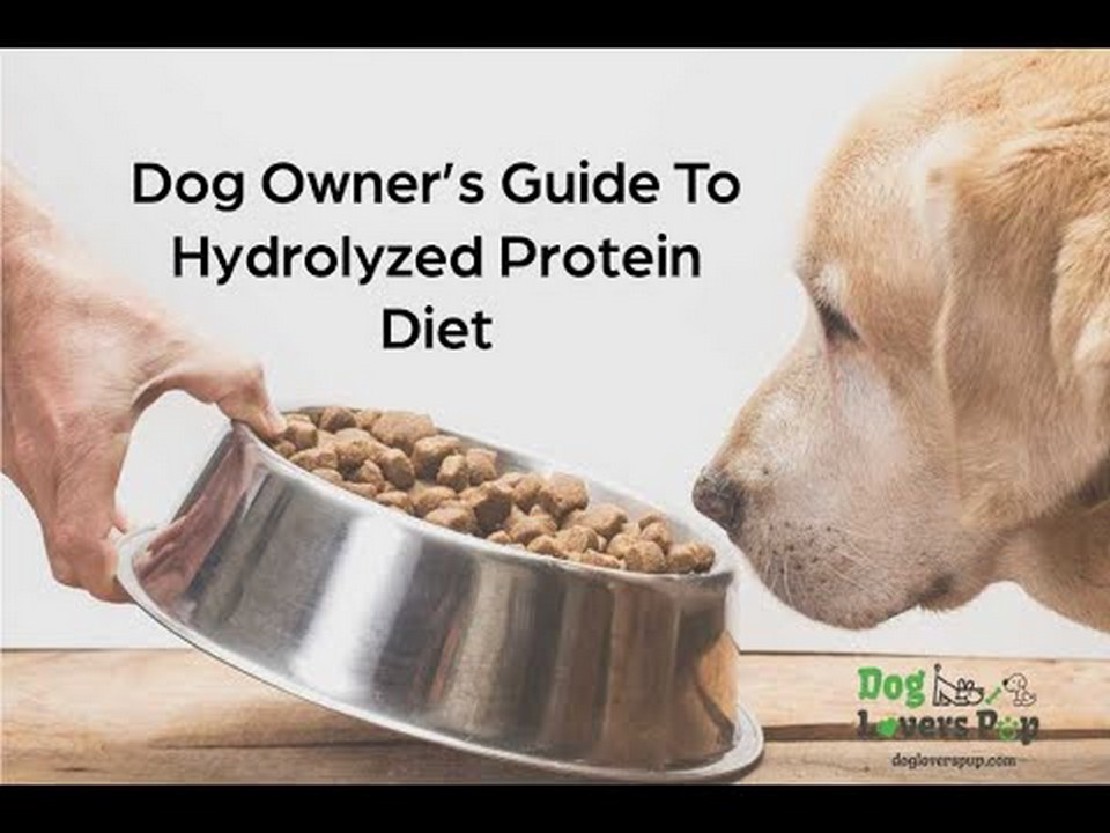
As pet owners, we understand the importance of providing our furry friends with a balanced and nutritious diet. One crucial component of their diet is protein, which plays a vital role in supporting their overall health and well-being. However, some dogs may develop sensitivities or allergies to certain proteins, which can cause digestive issues and discomfort. In such cases, hydrolyzed protein can be a game-changer.
Hydrolyzed protein is a specially processed form of protein that has been broken down into smaller molecules. The process of hydrolyzation involves using enzymes to break the protein’s bonds, which results in a protein that is easier to digest and less likely to cause adverse reactions in dogs with sensitivities or allergies. This makes it an ideal option for dogs with food sensitivities or allergies, as it allows them to still benefit from the essential amino acids and nutrients found in protein without the risk of triggering an unwanted reaction.
In addition to being easier to digest, hydrolyzed protein has also been found to have several other benefits for dogs. One of the most significant advantages is its hypoallergenic properties, which means that it is highly unlikely to cause allergic reactions. This can be a lifesaver for dogs that suffer from allergies, as it allows them to enjoy a balanced diet without experiencing uncomfortable symptoms such as itching, skin irritations, or digestive issues.
Furthermore, hydrolyzed protein can also help support and maintain a healthy gastrointestinal system in dogs. Thanks to its smaller molecular structure, the protein is absorbed more easily by the digestive system, reducing the strain on the digestive tract. This can be especially beneficial for dogs with sensitive stomachs or those recovering from gastrointestinal issues.
In conclusion, understanding the importance of hydrolyzed protein for dogs is crucial for pet owners who want to provide their furry friends with optimal nutrition and support their overall health. Hydrolyzed protein offers a solution for dogs with food sensitivities or allergies, providing them with essential amino acids and nutrients without triggering adverse reactions. Its hypoallergenic properties and easy digestibility make it an ideal choice for dogs with allergies or sensitive stomachs, ensuring they can enjoy a balanced diet while maintaining a healthy gastrointestinal system.
Hydrolyzed protein refers to a form of protein that has been broken down into smaller components, making it easier for dogs with food sensitivities or allergies to digest. This process involves the use of enzymes or acids to break the protein into its individual amino acids. The resulting hydrolyzed protein is hypoallergenic, which means it is less likely to cause an allergic reaction in dogs.
Dogs with food sensitivities or allergies often experience symptoms such as skin rashes, itching, gastrointestinal upset, or even respiratory issues after consuming certain proteins. Hydrolyzed protein can help alleviate these symptoms by providing a protein source that is less likely to trigger an immune response.
Hydrolyzed protein is commonly used in hypoallergenic dog foods and treats. These products are specially formulated to support dogs with food allergies or sensitivities. By using hydrolyzed protein, manufacturers can provide a nutritionally balanced diet that meets the needs of these dogs while minimizing the risk of an allergic reaction.
One benefit of hydrolyzed protein for dogs is that it is highly digestible. The breakdown of protein into smaller components allows for easier absorption in the digestive system. This can be especially important for dogs with gastrointestinal issues, as it reduces the workload on their digestive system and may help alleviate symptoms such as diarrhea or vomiting.
It is important to note that hydrolyzed protein should only be used under the guidance of a veterinarian. While it can be beneficial for dogs with food allergies or sensitivities, it may not be necessary for all dogs. Additionally, a veterinarian can help determine the underlying cause of a dog’s symptoms and recommend the most appropriate treatment plan, which may include a hydrolyzed protein diet.
Hydrolyzed protein offers several benefits for dogs, especially those with food allergies or sensitivities. The process of hydrolyzation breaks down the protein into smaller molecules, making it easier for dogs to digest. This can help alleviate digestive issues such as diarrhea, vomiting, and gas.
Additionally, hydrolyzed protein is hypoallergenic, meaning it is less likely to cause an allergic reaction in dogs. This is because the hydrolyzation process removes the allergenic components of the protein, such as certain amino acids, that can trigger an immune response. It is a suitable option for dogs with known food allergies or intolerances.
Hydrolyzed protein also plays a role in maintaining a healthy coat and skin for dogs. It contains essential amino acids that are necessary for the growth and repair of skin cells. This can help improve the overall condition of a dog’s coat, making it shinier and less prone to dryness, itching, and irritation.
Another benefit of hydrolyzed protein is its potential to support the immune system in dogs. The protein molecules in hydrolyzed protein are small enough to be more readily absorbed by the body, allowing for better utilization of important nutrients. This can help strengthen the immune system, making dogs less susceptible to illnesses and infections.
Furthermore, hydrolyzed protein can also aid in weight management for dogs. The smaller protein molecules are easier to break down and metabolize, which can help dogs maintain a healthy weight. This can be beneficial for dogs that are prone to obesity or have difficulty maintaining a consistent weight.
In conclusion, hydrolyzed protein offers a range of benefits for dogs, including improved digestion, hypoallergenic properties, healthier coat and skin, stronger immune system, and weight management support. It is a valuable dietary option for dogs with specific needs, providing them with the necessary nutrients while minimizing potential allergic reactions or digestive issues.
When selecting a hydrolyzed protein for your dog, it is important to consider several factors to ensure you are making the right choice for their unique needs. Here are some things to keep in mind:
Remember, every dog is unique, and what works for one may not work for another. It may take some trial and error to find the right hydrolyzed protein for your dog, but with the guidance of your veterinarian and careful consideration of the factors mentioned above, you can make an informed decision to support your dog’s health and well-being.
Hydrolyzed protein is a type of protein that has been broken down into smaller components, making it easier for dogs to digest. It is important for dogs because it can help with food allergies or sensitivities, as the hydrolysis process reduces the likelihood of an allergic reaction. Additionally, hydrolyzed protein can be beneficial for dogs with gastrointestinal issues, as it is highly digestible and can provide essential amino acids for their overall health.
Yes, hydrolyzed protein can help with food allergies in dogs. The process of hydrolysis breaks down the protein into smaller components, reducing the likelihood of an allergic reaction. This makes hydrolyzed protein a hypoallergenic option for dogs with food allergies or sensitivities. It is recommended to consult with your veterinarian before making any dietary changes for your dog.
Hydrolyzed protein can benefit dogs with gastrointestinal issues in several ways. Firstly, the hydrolysis process breaks down the protein into smaller components, making it easier for dogs to digest. This can help alleviate any stress on the digestive system and improve nutrient absorption. Additionally, hydrolyzed protein provides essential amino acids for overall health, which can be beneficial for dogs with gastrointestinal issues.
Feeding hydrolyzed protein to dogs is generally considered safe and well-tolerated. However, like with any dietary changes, there is a possibility of individual sensitivity or adverse reactions. It is recommended to consult with your veterinarian before introducing hydrolyzed protein into your dog’s diet, especially if your dog has any existing health conditions or is taking medication. Your veterinarian can assess your dog’s specific needs and provide guidance on the appropriate diet.
Why dogs lick your face? Dogs are known for their affectionate nature and one common way they show their love is by licking their owners’ faces. …
Read Article
Why dogs are more loyal than cats? Dogs have long been known as man’s best friend, and their loyalty is one of the key reasons for this title. …
Read Article
Why is my dog poop green and slimy? Seeing green and slimy poop in your dog’s stool can be alarming, but it is important to understand that …
Read Article
Why is the side of my dogs mouth swollen? Swelling on the side of a dog’s mouth can be a cause for concern for pet owners. There are several …
Read Article
Why is my dog panting when it isnt hot? Panting is a natural behavior for dogs, as it helps them regulate their body temperature. However, if your dog …
Read Article
Why is my senior dog barking all the time? As your dog ages, you may start to notice changes in their behavior, one of which may be excessive barking. …
Read Article