
Why Do Dogs Love Sleeping in Bed?
Why dogs like sleeping in bed? Many dog owners have experienced the joy of sharing their bed with their furry friends. But have you ever wondered why …
Read Article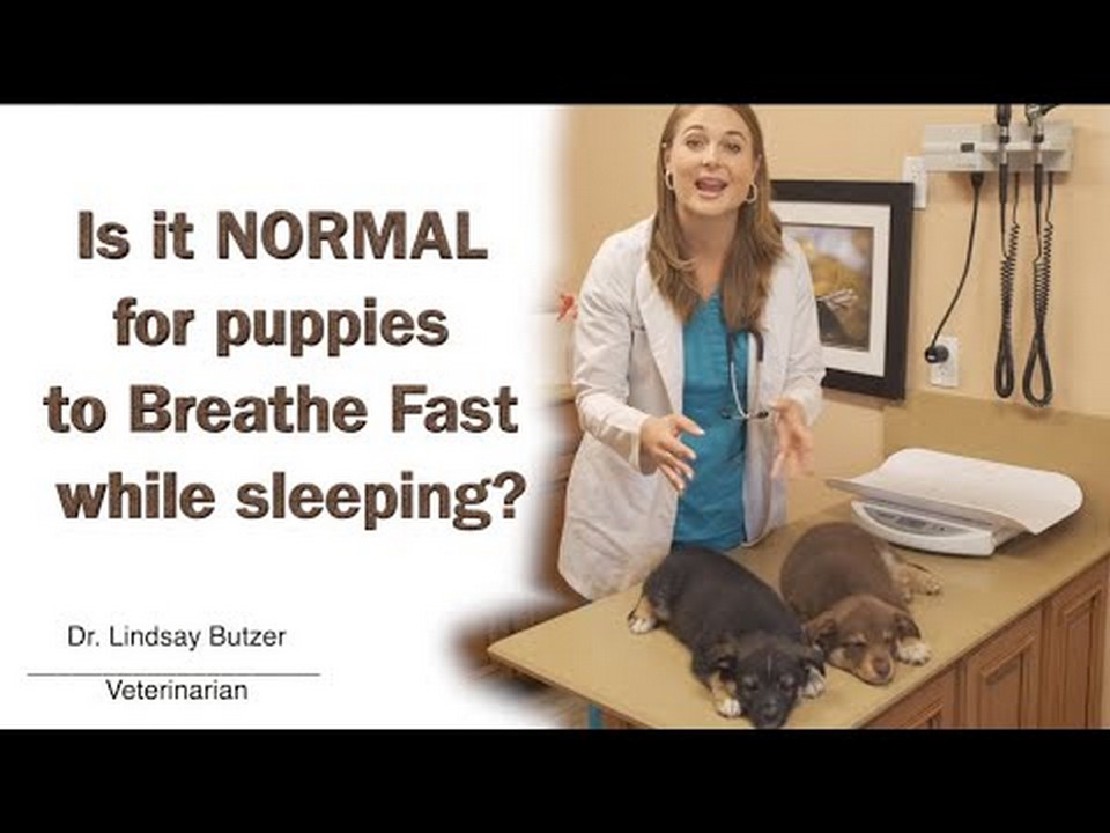
When bringing a new puppy into your home, it’s important to be aware of their breathing rates and understand what is considered normal. Puppies have unique respiratory systems that are still developing, and their breathing patterns can differ from those of adult dogs. By paying attention to your puppy’s breathing, you can ensure their overall health and well-being.
Normal puppy breathing rates vary based on factors such as breed, age, and activity level. On average, a healthy puppy will take 15 to 35 breaths per minute while they are resting. During physical activity or excitement, their breathing rate may increase briefly before returning to normal.
It’s important to note that some breathing irregularities are normal for puppies. For example, puppies have a tendency to pant more than adult dogs, as they have fewer sweat glands and panting helps regulate their body temperature. Additionally, puppies may occasionally make snorting or snuffling sounds due to their short nasal passages.
However, it’s essential to keep an eye out for any abnormal breathing patterns that could indicate a respiratory problem. These may include frequent coughing, wheezing, or difficulty breathing. If you notice any of these symptoms, it’s important to consult a veterinarian for an accurate diagnosis and appropriate treatment.
In conclusion, understanding normal puppy breathing rates is crucial for ensuring the health and well-being of your new furry friend. While some breathing irregularities are normal for puppies, it’s vital to be aware of any abnormal patterns that could indicate a potential respiratory issue. By being attentive to your puppy’s breathing and seeking veterinary care when necessary, you can help them live a happy and healthy life.
A puppy’s breathing rate can vary depending on their age, size, activity level, and overall health. In general, puppies have a faster breathing rate compared to adult dogs. This is because puppies have smaller lung capacity and a higher metabolism, which require them to take in more oxygen and expel carbon dioxide at a faster rate.
The average resting breathing rate for a healthy puppy is between 15 to 40 breaths per minute. However, this rate can increase when puppies are playing, exercising, or excited. During these times, their breathing rate may reach up to 60 breaths per minute or higher.
It’s important to note that brachycephalic breeds, such as Bulldogs and Pugs, have naturally shorter noses and narrower airways, which can affect their breathing. These breeds may have slightly higher breathing rates than other breeds.
If you notice that your puppy’s breathing rate is consistently rapid or labored, it could be a sign of an underlying health issue or distress. It’s always best to consult with a veterinarian if you have concerns about your puppy’s breathing.
There are several factors that can affect a puppy’s breathing rate. It is important for puppy owners to be aware of these factors in order to monitor their puppy’s health and well-being.
Age: The age of the puppy can greatly influence its breathing rate. Newborn puppies tend to have a higher breathing rate compared to older puppies. This is because their lungs are still developing and they require more oxygen to support their growing bodies.
Activity level: A puppy’s breathing rate will increase during periods of physical activity. When puppies are playing, running, or engaging in other forms of exercise, their respiratory rate will naturally rise to meet the increased demand for oxygen.
Temperature: The temperature of the environment can also impact a puppy’s breathing rate. When puppies are exposed to high temperatures, they may pant more frequently in order to cool themselves down. Panting helps to regulate their body temperature and provides a mechanism for heat dissipation.
Stress and anxiety: Like humans, puppies may experience stress and anxiety, which can affect their breathing rate. Situations such as being separated from their mother or being in a new or unfamiliar environment can cause puppies to breathe more rapidly. It is important for puppy owners to create a calm and safe environment to minimize stress and anxiety.
Health conditions: Certain health conditions can also affect a puppy’s breathing rate. Respiratory infections, allergies, and other respiratory issues can cause puppies to breathe more rapidly or struggle with breathing. If a puppy’s breathing rate seems abnormal or they are showing other signs of discomfort, it is important to consult with a veterinarian for proper diagnosis and treatment.
It is important to monitor your puppy’s breathing rates to ensure their overall health and well-being. While puppies have faster breathing rates than adult dogs, there are certain signs that might indicate a problem and require veterinary attention.
Rapid breathing: If your puppy is breathing rapidly and it is not due to exercise or excitement, it could be a sign of an underlying issue. Rapid breathing may be a symptom of a respiratory infection, pneumonia, heart problems, or even heatstroke. It is important to monitor your puppy closely and seek veterinary advice if you notice this abnormal breathing pattern.
Labored breathing: Labored breathing, where your puppy is having difficulty breathing and seems to be struggling to take in air, can be a cause for concern. This could be a sign of a respiratory infection, a foreign object obstructing the airway, or a heart condition. If your puppy is experiencing labored breathing, it is important to seek immediate veterinary attention.
Shallow breathing: Shallow breathing, characterized by small, quick breaths, can also indicate a problem. It may be a sign of pain, anxiety, or a respiratory issue. If your puppy is showing signs of shallow breathing, it is important to consult with your veterinarian to determine the underlying cause and appropriate treatment.
In addition to monitoring breathing rates, it is important to observe your puppy’s overall behavior and appearance. If your puppy has pale or bluish gums, coughs, wheezes, or shows any signs of distress or lethargy, it is important to seek immediate veterinary attention. Early detection and intervention can help ensure the best possible outcome for your puppy’s health.
The normal breathing rate for a puppy can vary depending on the breed and size, but on average, it is around 15 to 40 breaths per minute.
Yes, it is normal for a puppy to breathe faster when they are sleeping. During deep sleep, their breathing rate may increase and become irregular. This is a natural part of the sleep cycle and helps them relax and restore energy.
Rapid breathing in puppies can be caused by various factors, including excitement, exercise, anxiety, heat, pain, illness, or respiratory problems. If your puppy is consistently breathing rapidly and you are concerned, it is best to consult with a veterinarian for a proper diagnosis.
You should be worried about your puppy’s breathing rate if it is significantly higher or lower than the normal range, if they are struggling to breathe, if they have blue gums or tongue, if they are coughing or wheezing, or if they are showing signs of distress. In such cases, it is important to seek immediate veterinary attention, as these could be signs of a serious underlying condition.
Why dogs like sleeping in bed? Many dog owners have experienced the joy of sharing their bed with their furry friends. But have you ever wondered why …
Read Article
Why dogs kick dirt after pooping? Dogs have many unique and interesting behaviors, and one of these fascinating actions is when they kick dirt after …
Read Article
Why dogs eat their puppies? One of the most shocking and puzzling behaviors observed in domestic dogs is when a mother dog eats her own puppies. This …
Read Article
Why dog puts paw on you? Have you ever noticed that your dog often puts its paw on you? This behavior might seem cute or endearing, but have you ever …
Read Article
Why is my dog panting with his mouth open? Table Of Contents Common Reasons for Dogs Panting with Their Mouth Open Heat and Overexertion Anxiety and …
Read Article
Why is my puppys tummy gurgling? As a puppy owner, you may have noticed your furry friend’s tummy making strange gurgling sounds from time to …
Read Article