
5 Reasons Your Dog May be Peeing Inside and How to Stop It
Why has my dog started peeing inside? Is your dog having accidents in the house? Don’t worry, you’re not alone. Many dog owners have …
Read Article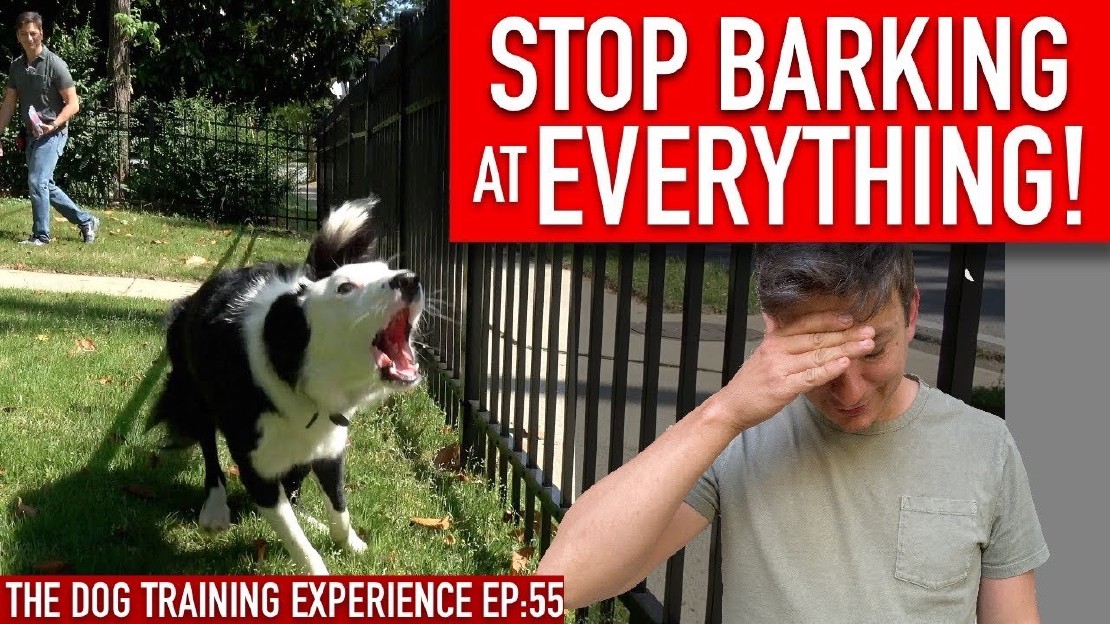
Does your dog have a tendency to bark at strangers? While it’s natural for dogs to be protective, excessive barking can become a nuisance and even a potential danger in certain situations. Fortunately, with the right training techniques and consistent practice, you can teach your dog to stop barking at strangers. In this article, we will explore some effective tips that can help you in training your dog to be calm and quiet around new people.
One of the first steps in training your dog to stop barking at strangers is to identify the underlying cause of their behavior. Is it fear, territoriality, or simply their natural instinct to protect their family? By understanding the root cause, you can tailor your training methods accordingly. For instance, if your dog is barking out of fear, you can work on building their confidence through positive reinforcement and desensitization exercises. If it’s territoriality, you can establish clear boundaries and teach your dog to respect them.
Consistency is key when training a dog to stop barking at strangers. Make sure that you and your family members are all on the same page and follow the same set of rules and commands. This will prevent confusion and reinforce the desired behavior. Use clear and consistent verbal cues, such as “quiet” or “enough,” accompanied by a hand signal or gesture. When your dog stops barking, reward them with praise, treats, or a favorite toy to reinforce the positive behavior.
Another effective technique is to gradually expose your dog to strangers in a controlled environment. Start with familiar faces, such as friends or family members, and gradually introduce them to new people. Use treats or toys to create a positive association with strangers. Teach your dog to remain calm and quiet in the presence of strangers by providing distractions or engaging them in obedience exercises. With time and practice, your dog will learn to overcome their fear or territorial instincts and behave appropriately around strangers.
Remember, training a dog to stop barking at strangers requires patience, consistency, and positive reinforcement. It may take time for your dog to unlearn their barking habit, but with a little effort and perseverance, you can help them become a well-behaved and calm companion. So, start implementing these tips today and enjoy a peaceful and harmonious relationship with your four-legged friend!
When a dog barks at strangers, it can be a challenging and frustrating behavior to deal with. However, it is important to understand why your dog may be exhibiting this behavior in order to address it effectively.
One possible reason for a dog barking at strangers is fear or anxiety. Dogs are naturally protective of their territory and may feel threatened by unfamiliar people. This can also be a sign of insecurity or lack of socialization.
Another reason could be that your dog is simply trying to alert you or protect you from perceived danger. Dogs are territorial creatures and may see strangers as a potential threat to their pack (you and your family).
It’s also important to consider the breed of your dog. Some breeds are more prone to being cautious or vocal around strangers. For example, guard dog breeds like German Shepherds or Dobermans may be more likely to bark at strangers as a part of their protective instincts.
In order to address this issue, it is crucial to identify the underlying cause of the barking. Is it fear or anxiety, territorial behavior, or protectiveness? Understanding the root cause will help to tailor your training approach and address the problem effectively.
When your dog barks at strangers, it’s important to identify the underlying cause of this behavior. Is your dog anxious or fearful when encountering new people? Does your dog bark out of excitement or territorial instinct? Understanding the root cause will help you develop an effective training strategy.
One possible cause of your dog’s barking at strangers could be a lack of socialization. If your dog hasn’t been exposed to different people and situations during their critical socialization period, they may feel anxious or threatened by unfamiliar faces. In this case, gradually introducing your dog to new people in a controlled and positive manner can help alleviate their barking.
Another possible cause could be fear or past negative experiences. If your dog has had a traumatic encounter with a stranger in the past, they may resort to barking as a defense mechanism. It’s important to work with a professional dog trainer or behaviorist to help your dog overcome their fear and build trust with strangers.
Sometimes, barking at strangers can be a sign of a territorial instinct. Dogs may bark to protect their home or their family members. If this is the case, setting boundaries and teaching your dog appropriate behaviors can help them understand when it’s acceptable to bark and when it’s not.
Additionally, it’s important to consider any external triggers that may be causing your dog to bark at strangers. For example, if your dog sees other dogs barking at strangers, they may imitate the behavior. Minimizing exposure to these triggers and providing positive reinforcement for calm behavior can help redirect their attention away from barking.
When training your dog to stop barking at strangers, it’s important to first assess the situation and understand why your dog is reacting this way. Dogs may bark at strangers out of fear, protectiveness, or territoriality. By identifying the underlying cause, you can tailor your training approach to address the specific issue.
The first step in assessing the situation is to observe your dog’s body language when they bark at strangers. Look for signs of fear or anxiety, such as a lowered body posture, tucked tail, or raised hackles. On the other hand, if your dog seems alert and confident, their barking may be driven by protectiveness or territorial instincts.
Another important aspect to consider is the context in which your dog barks at strangers. Do they only bark when someone approaches your home or when you’re out on a walk? Understanding the triggers can help you come up with a targeted training plan.
It’s also essential to evaluate your own behavior and reactions when your dog barks at strangers. Dogs are highly perceptive and may pick up on your emotions or cues. If you tense up or become anxious when a stranger approaches, your dog may interpret this as a threat and respond accordingly. Being aware of your own behavior can help you modify it and send calm and confident signals to your dog.
When your dog barks at strangers, it’s important to recognize the consequences of this behavior. Barking at strangers can lead to various problems, both for you and your dog. Firstly, it can be disturbing for your neighbors, especially if your dog barks excessively or during inappropriate times. This can result in complaints from neighbors and potential legal issues. In addition, excessive barking can cause stress and anxiety for both you and your dog, leading to an unhealthy living environment.
Barking at strangers can also lead to a lack of socialization for your dog. If your dog barks aggressively or fearfully at strangers, it can make it difficult for you to take them out in public or introduce them to new people. This can limit their exposure to different environments and situations, hindering their ability to adapt and socialize effectively. Furthermore, a dog that barks at strangers may be seen as a potential threat by others, which can create an unsafe or uncomfortable environment for both your dog and the people they encounter.
Recognizing the consequences of your dog’s barking behavior is the first step in addressing the issue. By understanding the negative impact it can have on you, your dog, and those around you, you can take the necessary steps to train your dog to stop barking at strangers. Through consistent training and positive reinforcement, you can help your dog overcome their fear or aggression towards strangers and create a more peaceful and harmonious living environment. Remember, it’s important to be patient and persistent in your training efforts, as changing ingrained behaviors takes time and effort.
The first step in training your dog to stop barking at strangers is to establish a clear communication with your pet. This can be achieved through consistent commands and signals that your dog can understand. Make sure to use clear and concise words or hand movements to indicate when your dog should be quiet or stop barking. The key is to be consistent with your commands and not reward your dog’s barking behavior.
Next, you can use positive reinforcement techniques to train your dog. When your dog remains calm and does not bark at strangers, reward him with treats or praise. This positive association will help reinforce the desired behavior and encourage your dog to continue being calm in those situations. It is important to use rewards that are highly motivating for your dog, such as their favorite treats or toys.
An important aspect of training is desensitization. Expose your dog gradually to situations where they might bark at strangers. Start with low-intensity scenarios and gradually increase the exposure as your dog becomes more comfortable. This can be done by having controlled encounters with strangers or using audio or visual recordings of strangers. By gradually desensitizing your dog, you can help them become more tolerant and less reactive to strangers.
Consistency is key when implementing training techniques. Make sure to be consistent in your approach and expectations for your dog. Establish a daily routine for training sessions and stick to it. Regular practice and reinforcement will help your dog understand the desired behavior and solidify their training.
Remember that every dog is unique and may require different approaches or techniques to stop barking at strangers. It is important to be patient and understanding throughout the training process. If you are having difficulties, consider consulting a professional dog trainer for additional guidance and support.
Establishing a training routine is essential when teaching your dog to stop barking at strangers. Consistency and repetition are key factors in achieving success in any kind of training, including barking. By creating a structured routine, you can provide clear expectations for your dog and reinforce positive behaviors.
One effective way to establish a training routine is to dedicate specific times each day for training sessions. This consistency will help your dog understand that training time is separate from regular activities and will allow them to focus better. For example, you can schedule two training sessions per day, each lasting 10 to 15 minutes, to work on their barking behavior.
During the training sessions, it is important to remain calm and patient. Dogs are sensitive to our emotions and can pick up on any frustrations or tensions, which can hinder their learning process. Use positive reinforcement techniques, such as treats, praise, and rewards, to encourage your dog to exhibit the desired behavior.
When training your dog to stop barking at strangers, it is important to reinforce positive behavior. This means rewarding your dog when they exhibit the desired behavior, such as remaining calm when encountering a stranger. Positive reinforcement can be in the form of treats, praise, or playtime.
One effective way to reinforce positive behavior is to use treats. When your dog remains calm when a stranger approaches, give them a treat as a reward. This helps them associate the desired behavior with something positive. Make sure to use small treats to avoid overfeeding your dog during training sessions.
Praise is another powerful form of positive reinforcement. When your dog behaves appropriately around strangers, shower them with praise. Use a happy tone of voice and pet them gently to show your approval. This not only makes your dog feel good but also strengthens the bond between you and your pet.
In addition to treats and praise, playtime can also be a great way to reinforce positive behavior. After your dog responds well to a stranger, engage in a fun play session. This creates a positive association with encountering strangers and can help reduce their barking tendencies over time.
Remember to be consistent with reinforcing positive behavior. Consistency helps your dog understand what is expected of them and encourages them to continue exhibiting the desired behavior. Start with short training sessions and gradually increase the duration as your dog becomes more comfortable around strangers.
In summary, reinforcing positive behavior is crucial when training your dog to stop barking at strangers. Use treats, praise, and playtime to reward your dog for behaving appropriately. Be consistent and patient with your training efforts, and remember to always provide a positive and nurturing environment for your furry friend.
To help train your dog to stop barking at strangers, it can be effective to utilize desensitization techniques. Desensitization involves gradually exposing your dog to the stimulus that triggers their barking, such as strangers, in a controlled and calm manner. This technique helps your dog become accustomed to the presence of strangers and reduces their anxiety or fear, leading to a decrease in barking behavior.
Start by identifying the specific triggers that cause your dog to bark at strangers. This could be the sound of the doorbell, someone approaching the door, or people passing by on the street. Once you have identified the triggers, create a controlled environment where you can expose your dog to these stimuli.
Begin by introducing your dog to the trigger at a distance where they remain calm and don’t bark. This could involve having a friend walk by your house at a distance, or playing recordings of doorbell sounds at a low volume. Gradually decrease the distance or increase the volume as your dog becomes more comfortable and shows no signs of barking or anxiety.
During the desensitization process, it’s crucial to remain calm and composed yourself. Dogs can pick up on your emotions, so if you become anxious or tense, it may reinforce their barking behavior. Use positive reinforcement techniques, such as praise and treats, to reward your dog for remaining calm and not barking in the presence of strangers.
Consistency is key when utilizing desensitization techniques. Practice sessions should be brief but frequent, ensuring that your dog is gradually exposed to the triggers on a regular basis. As your dog becomes more desensitized to strangers, you can gradually increase the level of exposure, such as allowing them to interact with friendly strangers and rewarding them for appropriate behavior.
If you have tried various training techniques and still struggle to stop your dog from barking at strangers, it may be beneficial to seek professional help. Professional dog trainers and behaviorists have extensive knowledge and experience in dealing with behavioral issues in dogs. They can assess your dog’s specific situation and come up with a tailored training plan to address the barking problem.
Professional help can be especially useful if your dog’s barking is accompanied by aggression or fear-based behavior. These professionals can help you identify the underlying causes of your dog’s barking and develop strategies to manage it effectively.
When choosing a professional, look for someone who is certified by a reputable organization and has positive reviews from previous clients. Reach out for recommendations from other dog owners or your veterinarian. It’s crucial to find someone who uses positive reinforcement training methods and has experience working with dogs with similar issues.
During the training sessions, the professional will teach you and your dog techniques to help modify their behavior. They may use tools such as counter conditioning or desensitization methods to help your dog learn appropriate responses to strangers. Additionally, they may provide guidance on how to create a calm and supportive environment for your dog to reduce their anxiety or fear.
Remember that training takes time and consistency. It’s essential to follow the professional’s advice and remain dedicated to the training process. With their expertise and guidance, you can improve your dog’s behavior and create a more peaceful and harmonious relationship between your dog and strangers.
Consulting a professional dog trainer can be a helpful step in addressing your dog’s barking at strangers. A trainer can provide insights and techniques based on their experience and knowledge of dog behavior. They can assess your dog’s specific needs and create a personalized training plan to address the issue.
During a consultation with a dog trainer, they will observe your dog’s behavior and identify any underlying factors that may be contributing to the barking. They may ask questions about when and where the barking occurs, as well as any specific triggers that set off the behavior. This information will help them tailor their training approach.
The trainer may suggest positive reinforcement techniques to teach your dog an alternative behavior to barking, such as sitting or staying quiet when encountering strangers. They may also recommend desensitization exercises to gradually expose your dog to strangers in a controlled and positive manner.
In addition to providing training techniques, a dog trainer can also offer guidance on managing your dog’s environment to reduce opportunities for barking at strangers. This may include creating a designated safe space for your dog, using barriers or baby gates to limit access to windows or doorways, or implementing a consistent routine that helps reduce anxiety.
Remember, every dog is unique, and what works for one dog may not work for another. A dog trainer can personalize the training approach to suit your dog’s individual needs and provide ongoing support and guidance throughout the training process.
Behavior modification therapy is a type of treatment that focuses on changing undesirable behaviors in individuals, including dogs. It is commonly used to address issues such as excessive barking, aggression, separation anxiety, and fearfulness.
This type of therapy utilizes various techniques to modify a dog’s behavior, including positive reinforcement, desensitization, and counter-conditioning. Positive reinforcement involves rewarding the dog for exhibiting desired behaviors, such as remaining calm around strangers. This can be done through treats, praise, or playtime.
Desensitization is a process that involves gradually exposing the dog to the stimulus that triggers the undesired behavior, in this case, strangers. The dog is exposed to strangers at a distance that does not elicit a fearful or reactive response. Over time, the distance is gradually decreased until the dog is comfortable being in close proximity to strangers.
Counter-conditioning is another technique used in behavior modification therapy. It involves pairing the presence of strangers with something positive, such as treats or toys, to help the dog form positive associations. For example, whenever a stranger approaches, the dog receives a treat, which helps create a positive association with strangers over time.
In addition to these techniques, behavior modification therapy often involves teaching alternative behaviors to replace the undesired behavior. For instance, if a dog barks at strangers out of fear, the therapy may focus on teaching the dog to sit and stay calm when encountering a stranger instead of barking.
Overall, behavior modification therapy is a comprehensive approach that aims to address the underlying causes of the dog’s undesirable behavior and teach them new, more appropriate behaviors. It requires patience, consistency, and positive reinforcement to achieve long-lasting results.
When it comes to training your dog to stop barking at strangers, sometimes the issue goes beyond just a behavioral problem. In some cases, excessive barking can be a sign of anxiety or fear in dogs. In these situations, it may be necessary to consider medication options to help calm your dog and alleviate their anxious behavior.
One medication option commonly prescribed for dogs with anxiety is called Fluoxetine. Fluoxetine is a selective serotonin reuptake inhibitor (SSRI) that helps increase the levels of serotonin in the brain, which can improve mood and reduce anxiety. This medication is typically taken daily and may take several weeks to show noticeable effects.
Another medication option is Alprazolam, which is a benzodiazepine that works as a sedative and has anti-anxiety properties. Alprazolam can help provide immediate relief from anxiety, but it is important to note that it should only be used on a short-term basis due to its potential for dependency.
When considering medication options for your dog, it is essential to consult with a veterinarian who can evaluate your dog’s specific needs and provide appropriate recommendations. They will be able to determine the right dosage and duration of medication based on your dog’s size, breed, and overall health. Additionally, they can monitor your dog’s progress and make any necessary adjustments to the treatment plan.
It is also important to note that medication should not be used as a standalone solution. It should be used in conjunction with behavior modification techniques and training to address the underlying causes of your dog’s excessive barking. Working with a professional dog trainer or behaviorist can help you develop a comprehensive training plan that incorporates medication as part of the overall strategy.
Remember, each dog is unique, and what works for one may not work for another. Medication should always be used as a last resort and under the guidance of a veterinarian. With proper evaluation, medication, and training, you can help your dog overcome their fear or anxiety and reduce their barking at strangers.
There are several effective methods you can use to train your dog to stop barking at strangers. One approach is to use positive reinforcement by rewarding your dog with treats or praise when they remain calm and quiet around strangers. You can also try desensitizing your dog to strangers by gradually exposing them to unfamiliar people in controlled environments and rewarding them for calm behavior. Additionally, teaching your dog a “quiet” command and practicing it regularly can help them learn to control their barking.
Dogs may bark at strangers due to a variety of reasons. It could be a natural instinct to protect their territory or pack, or it could be a result of fear or anxiety. Some dogs may bark at strangers to seek attention or because they are not properly socialized. It’s important to identify the underlying cause of the barking in order to effectively address the behavior.
Yes, it is possible to train an older dog to stop barking at strangers. While it may take more time and patience, older dogs can still learn new behaviors. Consistent training and positive reinforcement can help modify their behavior. It’s important to be understanding of the fact that it may take longer for an older dog to unlearn a behavior that they have been exhibiting for a long time.
When training a dog to stop barking at strangers, it’s important to avoid common mistakes that can hinder progress. One mistake is punishing the dog for barking, as this can create fear or aggression. It’s also important not to inadvertently reinforce the barking by giving the dog attention or allowing the barking to be successful in driving strangers away. Consistency is key, so it’s important to be consistent with training methods and not give mixed signals to the dog.
Why has my dog started peeing inside? Is your dog having accidents in the house? Don’t worry, you’re not alone. Many dog owners have …
Read Article
Why don t other dogs like my dog? Every dog has a unique personality, just like humans. Some dogs are energetic and playful, while others are more …
Read Article
Why dogs eat their newborn puppies? It is a shocking and distressing sight to witness a mother dog eating her own newborn puppies. This behavior, …
Read Article
Will green beans help my dog lose weight? Many dog owners struggle with helping their furry friends maintain a healthy weight. Obesity in dogs can …
Read Article
What should i get my dog for christmas? The holiday season is fast approaching, and it’s time to start thinking about what gifts to get for your …
Read Article
Will getting my male dog fixed calm him down? Hyperactivity in male dogs can be a common issue for many pet owners. It can manifest in various forms, …
Read Article