
5 Reasons Your Dog May be Peeing Inside and How to Stop It
Why has my dog started peeing inside? Is your dog having accidents in the house? Don’t worry, you’re not alone. Many dog owners have …
Read Article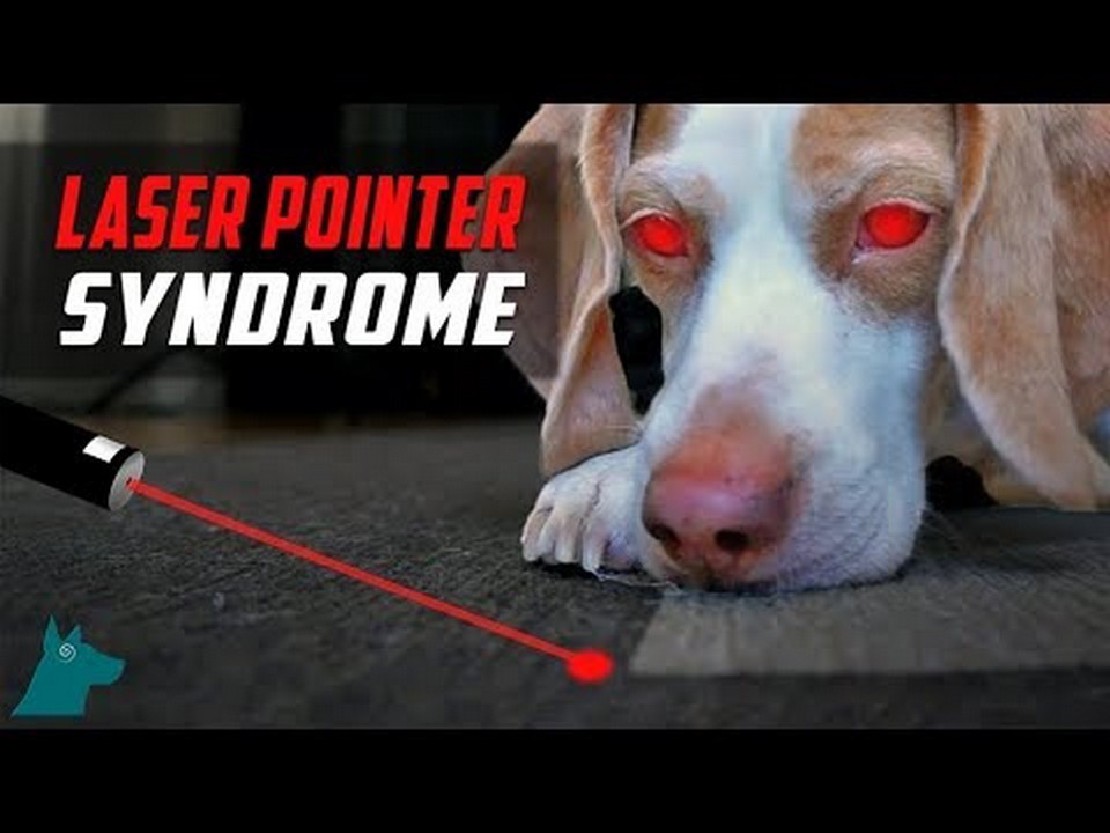
Dogs have long been known for their keen sense of sight and ability to track fast-moving objects. This has led to many owners using laser pointers as a form of entertainment and exercise for their furry companions. However, there has been ongoing debate about how dogs perceive these laser beams and whether they are actually suitable toys for our pets.
One key point to consider is that dogs see the world differently from humans. While humans have trichromatic vision, dogs only have dichromatic vision, meaning they are less sensitive to colors. This could potentially affect how they perceive the laser beam, which emits light of a specific color.
Furthermore, dogs are natural hunters and are instinctively attracted to moving objects. The fast movements of the laser can trigger a dog’s prey drive, causing them to become hyper-focused and determined to catch the elusive dot of light. This intense fixation on the laser pointer can be both mentally and physically exhausting for dogs, as they constantly try to chase and capture their perceived prey.
It is also important to note that the abrupt nature of the laser’s movements can be frustrating for dogs. Unlike a physical toy that can be caught or chewed on, the laser beam always remains just out of reach. This can lead to frustration and anxiety in dogs, as they are unable to satisfy their natural desire to physically interact with the object of their focus.
Ultimately, while laser pointers may seem like a fun and harmless game for dogs, it is important to consider the potential negative effects on their mental and physical well-being. It is always best to provide our canine companions with toys and activities that engage their natural instincts and allow for physical interaction, rather than relying on an artificial light source that can lead to frustration and potential behavioral issues.
Dogs perceive the world around them in a unique way, thanks to their exceptional senses. When it comes to their perception of laser pointers, several factors come into play.
Vision: Dogs have different visual abilities compared to humans. While they cannot see as many colors as we can, they excel in low-light vision and have a wider field of view. This means that when a laser pointer is used, dogs are more likely to see the small dot moving quickly across the room.
Motion Detection: Dogs are highly attuned to motion and can detect even the slightest movement. When a laser pointer is used, the rapid movement of the dot triggers their prey drive, as it resembles the movement of small prey like insects or rodents.
Chasing Instinct: Dogs have an innate instinct to chase moving objects. When a laser pointer is moved rapidly, it taps into this natural chasing behavior, stimulating the dog and providing mental and physical exercise.
Lack of Closure: Dogs may become frustrated when they can’t “catch” the moving dot of the laser pointer. Unlike a physical toy or treat, the dot disappears when they reach it, which can be confusing and unsatisfying for them. This can lead to frustration or obsessive behaviors.
Alternative Options: To provide mental and physical stimulation without the potential negatives of laser pointers, owners can consider using interactive toys, puzzle feeders, or positive reinforcement training. These options engage dogs in activities that mimic natural behaviors and provide a sense of accomplishment.
In conclusion, dogs’ perception of laser pointers is influenced by their unique visual abilities, innate instincts, and the way the laser pointer interacts with those instincts. Understanding these factors can help owners provide appropriate mental and physical stimulation for their dogs.
Dogs have a unique visual perception that differs from humans. While humans have a high-resolution vision, dogs have a higher ability to detect movement. This means that dogs are more sensitive to motion and can see objects clearly when they are in motion. Their visual acuity is also different, with dogs having a lower visual acuity than humans.
One important aspect of a dog’s visual perception is their color vision. Dogs have a limited color vision compared to humans, as they are dichromats. This means that dogs can see a range of colors, but their color perception is not as vibrant or detailed as that of humans. Dogs can see blues and yellows, but they have difficulty distinguishing between reds and greens.
In addition to color vision, dogs’ visual perception is also influenced by their ability to see in low light conditions. Dogs have a higher number of rod cells in their eyes, which are responsible for detecting light and movement. This allows them to see better in dim or low light conditions compared to humans.
Another interesting aspect of dogs’ visual perception is their peripheral vision. Dogs have a wider field of view compared to humans, as their eyes are positioned more on the side of their head. This allows them to have a better peripheral vision and be more aware of their surroundings.
Genetic factors play a significant role in a dog’s perception of laser pointers. The way dogs react to the laser pointer can vary depending on their breed and individual genetic makeup. Some dogs may have a natural instinct to chase and catch small moving objects, which can explain their eagerness to chase the laser dot.
Certain breeds, such as herding or hunting dogs, are often more predisposed to have a strong prey drive. These genetic traits can make them more driven and focused when it comes to chasing objects, including laser dots.
On the other hand, some dogs may have a more relaxed or disinterested reaction to the laser pointer due to their genetic makeup. Factors such as their natural temperament or breed characteristics can influence how they perceive and respond to the laser dot.
It is important to take into consideration a dog’s genetic predisposition when using a laser pointer as a play or training tool. Owners should be aware of their dog’s breed characteristics and behavioral tendencies to ensure that the use of a laser pointer is appropriate and does not cause any negative effects on the dog’s well-being.
When dogs see the moving red dot of a laser pointer, they often exhibit intense and focused behavior. This typically includes chasing, pouncing, and attempting to catch the dot. These behaviors are instinctual for dogs, as they stem from their natural prey drive.
Some dogs may become obsessed with chasing the laser dot, to the point where it becomes difficult for them to stop or redirect their attention. This can lead to frustration and anxiety if they are unable to “catch” the dot. It is important for dog owners to be aware of this potential issue and monitor their dog’s behavior when using laser pointers for play.
It is worth noting that the lack of a physical object for the dog to catch or interact with can be confusing and frustrating for some dogs. This may lead to behavior problems such as obsessive-compulsive tendencies or redirected aggression. It is important to provide alternative outlets for the dog’s prey drive, such as interactive toys or playtime with appropriate objects.
Additionally, the erratic movement of the laser dot can also be overstimulating for some dogs, causing them to become overly excited or anxious. It is important to use caution when using a laser pointer with these dogs, ensuring that they are able to relax and calm down after play.
In conclusion, while dogs may find chasing the red dot of a laser pointer entertaining, it is important for owners to be mindful of their dog’s behavioral response. Monitoring their dog’s behavior and providing appropriate outlets for their prey drive can help ensure that playtime with a laser pointer remains fun and safe for all involved.
While laser pointers may seem like a fun and harmless toy to use with dogs, they can actually have some negative effects on their well-being. It is important for pet owners to understand these effects in order to ensure the health and happiness of their furry friends.
1. Frustration and Anxiety: Dogs have a natural instinct to chase and capture prey. When they are repeatedly presented with a laser dot that they can never catch, it can lead to frustration and anxiety. This can result in behavioral issues such as obsessive-compulsive behaviors or increased aggression.
2. Lack of Physical Exercise: Chasing a laser pointer does not provide the same physical exercise as chasing a physical object like a ball or a toy. While it may seem like the dog is getting exercise, the repetitive and unattainable nature of the laser pointer can actually leave them feeling unfulfilled and lacking physical stimulation.
3. Eye Injuries: The intense focus on the laser dot can cause dogs to stare directly into the bright light, which can potentially lead to eye injuries. It is important to avoid shining the laser directly into their eyes, as this can cause damage to the retina.
4. Reinforcement of Predatory Behaviors: Laser pointers can reinforce a dog’s natural predatory instincts, as they are constantly encouraged to chase and hunt the moving dot. This can lead to hyperactivity and an increased desire to chase other moving objects, such as people, animals, or vehicles.
5. Dependency on External Stimulation: Constant exposure to the excitement and stimulation of a laser pointer can create a dependency on external sources for entertainment. Dogs may become obsessed with finding the elusive dot and lose interest in other forms of play or mental stimulation.
It is important for dog owners to find other interactive toys and activities that provide physical exercise and mental stimulation without the negative effects of laser pointers. Engaging in activities such as playing fetch, puzzle toys, or training exercises can help keep dogs happy, healthy, and mentally engaged.
Anecdotally, many dog owners have reported positive effects of playing with laser pointers with their dogs. One of the main benefits is that it provides mental stimulation for the dogs. Chasing the laser dot engages their natural prey-drive instincts and can be a fun and exciting activity for them.
In addition, playing with laser pointers can also be a great way to provide physical exercise for dogs. Running and jumping to catch the moving laser dot can help them burn off excess energy, which is especially beneficial for high-energy breeds.
Furthermore, using laser pointers can be an effective tool for training dogs. The laser can be used as a target for obedience training or to teach tricks, such as “find it” or “touch”. Dogs can quickly learn to associate the laser dot with a reward, such as a treat, and this can help reinforce positive behaviors.
Another positive effect of playing with laser pointers is that it can help strengthen the bond between dogs and their owners. Engaging in interactive playtime with the laser pointer can create a sense of trust and companionship, as the dog sees their owner as a source of fun and entertainment.
It is important, however, to always use laser pointers responsibly and in a safe manner. Avoid shining the laser directly into the dog’s eyes to prevent potential eye damage. Additionally, it is recommended to end the play session with a physical toy or treat, so that the dog has a tangible object to “catch” and satisfy their natural instinct.
While laser pointers may seem like harmless toys, they can have negative effects on dogs. One of the primary concerns is that the intense light emitted by the laser can be harmful to a dog’s eyes. Dogs have highly sensitive eyes, and prolonged exposure to the laser can cause damage, including retinal damage or even blindness. It is important to remember that the laser pointer was not designed for use with dogs, and the potential for harm should not be underestimated.
Another negative effect of using laser pointers with dogs is the frustration it can cause. Dogs are natural hunters, and chasing after the elusive point of light triggers their prey drive. However, since they can never catch or “win” against the light, it can lead to frustration and obsessive behaviors. The constant chase with no reward can also lead to anxiety or stress in dogs.
Using laser pointers can also have negative implications for a dog’s training and behavior. Dogs who become obsessed with chasing lights may find it difficult to focus on other tasks or commands. This can hinder their obedience training and can lead to a lack of impulse control or an inability to redirect their attention to more appropriate stimuli.
Additionally, using laser pointers as a form of exercise for dogs can be counterproductive. While it may seem like a convenient way to tire out a high-energy dog, it does not engage them in physical activity or mental stimulation. Dogs need physical and mental enrichment, and using a laser pointer does not fulfill those needs. This can result in restlessness or increased energy levels, leading to undesirable behaviors in the long run.
When it comes to training dogs to interact with laser pointers, there are several important considerations to keep in mind. First and foremost, it is crucial to prioritize the safety and well-being of the dog. Laser pointers should never be pointed directly into a dog’s eyes, as this can cause severe damage and even blindness. Instead, the laser should be directed onto the floor or a wall, away from the dog’s face.
Additionally, it is important to be mindful of the potential for obsessive behavior or frustration that can result from using laser pointers with dogs. Dogs can quickly become fixated on the moving light, which can lead to obsessive behaviors such as excessive barking, pacing, or even self-harm. It is essential to supervise the dog closely during laser pointer play and to establish limits on the duration of the activity to prevent these behaviors from developing.
It is also important to remember that not all dogs may enjoy or be motivated by laser pointer play. Some dogs may be fearful or anxious around laser pointers, while others may simply be uninterested in the activity. It is crucial to respect each dog’s individual preferences and adjust the training approach accordingly.
When using laser pointers as a training tool, it is essential to pair the use of the laser with rewards and positive reinforcement. This can help to create a positive association with the laser pointer and encourage the dog to engage in the desired behavior. For example, the laser pointer can be used to guide the dog through an agility course, with treats or praise given when the dog successfully completes an obstacle.
In summary, training dogs to interact with laser pointers requires careful consideration of safety, potential behavioral concerns, individual preferences, and the use of positive reinforcement. By keeping these factors in mind and being mindful of the dog’s well-being, laser pointer play can be a fun and engaging activity for both dogs and their owners.
Yes, dogs can see laser pointers. Dogs have better visual acuity than humans, which means they can see small and fast-moving objects more clearly. The laser beam emitted by a laser pointer is a bright and rapid movement, making it highly visible to dogs.
Dogs have a natural instinct to chase moving objects, and the laser beam emitted by a laser pointer mimics the movement of prey. This triggers their prey drive and brings out their hunting instincts. Chasing the laser pointer provides mental stimulation and physical exercise for dogs, making it a fun and engaging activity for them.
While playing with laser pointers can be fun for dogs, it’s important to use caution. Laser pointers should never be directed at a dog’s eyes as it can cause damage to their sensitive retina. It’s also important to avoid shining the laser pointer on reflective surfaces that can bounce the laser beam into the dog’s eyes. Additionally, it’s important to provide dogs with a physical object to “catch” at the end of the laser chase to prevent frustration.
Playing with laser pointers can potentially lead to behavioral issues in dogs, particularly if the game is not properly structured. Since dogs can never “catch” or “win” against the laser pointer, it can lead to frustration and obsessive behavior. It’s important to always provide dogs with a physical object to “catch” at the end of the laser chase to prevent frustration and promote a healthy play routine.
Why has my dog started peeing inside? Is your dog having accidents in the house? Don’t worry, you’re not alone. Many dog owners have …
Read Article
Why don t other dogs like my dog? Every dog has a unique personality, just like humans. Some dogs are energetic and playful, while others are more …
Read Article
Why dogs eat their newborn puppies? It is a shocking and distressing sight to witness a mother dog eating her own newborn puppies. This behavior, …
Read Article
Will green beans help my dog lose weight? Many dog owners struggle with helping their furry friends maintain a healthy weight. Obesity in dogs can …
Read Article
What should i get my dog for christmas? The holiday season is fast approaching, and it’s time to start thinking about what gifts to get for your …
Read Article
Will getting my male dog fixed calm him down? Hyperactivity in male dogs can be a common issue for many pet owners. It can manifest in various forms, …
Read Article