
Why Do Dogs Love Sleeping in Bed?
Why dogs like sleeping in bed? Many dog owners have experienced the joy of sharing their bed with their furry friends. But have you ever wondered why …
Read Article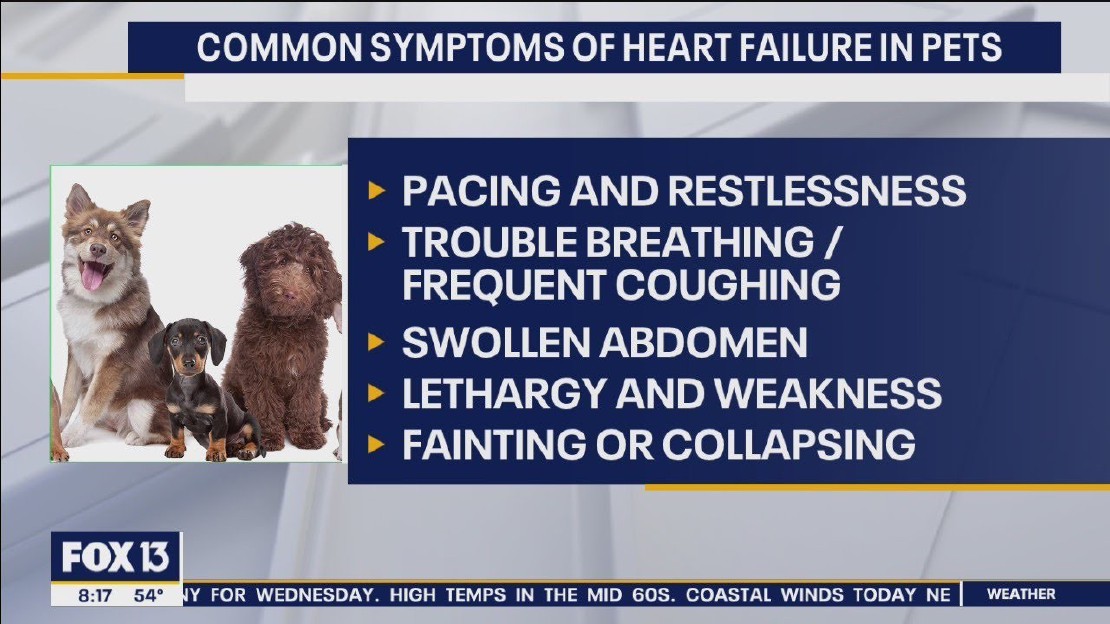
As responsible dog owners, it is important to be aware of potential health issues that our furry friends may face. One such health problem that can affect dogs is heart problems. Just like humans, dogs can develop various heart conditions, which can range from mild to severe. It is crucial for dog owners to be able to recognize the signs of heart problems in their pets so that they can seek appropriate medical attention.
One of the telltale signs of a heart problem in dogs is coughing. A persistent, dry cough, especially at night or after exercise, can indicate an issue with the heart. Dogs may also experience difficulty breathing or have rapid, shallow breathing. This can be a result of the heart’s inability to pump blood effectively, leading to fluid accumulation in the lungs.
In addition to respiratory symptoms, dogs with heart problems may exhibit lethargy or weakness. They may seem more tired than usual and have less energy for activities they previously enjoyed. Some dogs may also experience fainting episodes or collapse, due to insufficient blood flow to the brain. It is important to note that these symptoms can vary depending on the specific heart condition and the severity of the problem.
If you notice any of these signs in your dog, it is crucial to consult a veterinarian for a proper diagnosis. The vet may perform a thorough physical examination, listen to the dog’s heart and lungs, and potentially recommend further diagnostic tests, such as an electrocardiogram or a chest X-ray. Early detection and appropriate treatment can help improve the quality of life for dogs with heart problems, so it is important not to ignore these warning signs.
Remember, recognizing the signs of heart problems in dogs can potentially save their lives. By being vigilant and seeking veterinary care when necessary, you can help ensure that your beloved pet receives the care and treatment they need to live a happy and healthy life.
If you notice any of the following signs in your dog, it could be an indication of a heart problem:
If you observe any of these symptoms, it is important to consult with your veterinarian for a proper evaluation and diagnosis. Recognizing and addressing heart problems early can improve your dog’s prognosis and overall quality of life.
Dogs with heart problems may exhibit changes in their behavior and activity levels. It is important for dog owners to be aware of these changes as they may indicate a potential heart problem.
One common sign of heart problems is a decrease in energy and exercise tolerance. If a dog that was previously active and enjoyed long walks suddenly becomes tired and unable to keep up, it could be a sign of a heart issue. Additionally, dogs may become more lethargic and spend more time resting or sleeping.
Another behavioral change to watch for is coughing. Dogs with heart problems may develop a persistent cough that worsens over time. This cough is often triggered by excitement, exercise, or when the dog is lying down. It may sound like a honking noise or a hacking sound.
Changes in appetite and weight loss can also be indicative of heart problems. Some dogs may lose their appetite or have difficulty eating due to fatigue or difficulty breathing. As a result, they may start losing weight gradually.
It is important to note that these changes in behavior and activity levels can also be signs of other health issues. Therefore, if you notice any of these changes in your dog, it is important to consult with a veterinarian for a proper diagnosis and treatment plan.
Coughing and difficulty breathing are common signs of heart problems in dogs. Dogs with heart disease may develop a persistent cough that can sometimes be dry and hacking or accompanied by a gurgling sound. This is often caused by fluid accumulation in the lungs, making it difficult for the dog to breathe properly.
Dogs with heart problems may also have difficulty breathing, especially during physical activity or when lying down. They may appear restless or uncomfortable and may have an increased respiratory rate. Rapid, shallow breathing or panting can be a sign that the dog is struggling to get enough oxygen, indicating a potential cardiac issue.
If you notice your dog coughing frequently or experiencing difficulty breathing, it is important to consult a veterinarian. These symptoms may be indicative of heart disease or other underlying health conditions, and early detection and treatment are crucial for your dog’s well-being.
During your veterinary visit, the vet may perform a thorough physical examination and listen to your dog’s heart and lungs for any abnormalities. They may also recommend diagnostic tests such as X-rays, electrocardiograms, or echocardiograms to further evaluate your dog’s heart health.
If your dog is diagnosed with heart disease, the veterinarian will work with you to develop a treatment plan tailored to your dog’s individual needs. This may involve medication to manage symptoms, dietary changes, and lifestyle modifications. Regular check-ups and monitoring will be important to ensure your dog’s heart condition is properly managed and to catch any changes or complications early.
Swelling and fluid build-up, also known as edema, can be common signs of heart problems in dogs. This occurs when the heart is unable to efficiently pump blood throughout the body, causing fluid to accumulate in various tissues and organs. Common areas where swelling may occur include the abdomen, legs, and chest.
Dogs with heart problems may develop a pot-bellied appearance due to fluid accumulating in the abdomen. This can cause discomfort and difficulty breathing. Swelling in the legs may cause them to appear puffy or distended, making it difficult for the dog to walk or move comfortably.
Additionally, fluid can accumulate in the chest, causing a condition called pleural effusion. This can put pressure on the lungs and make it challenging for the dog to breathe properly. Dogs with pleural effusion may exhibit rapid breathing, coughing, or difficulty breathing, especially when lying down.
If you notice swelling or fluid build-up in your dog, it is essential to consult a veterinarian as soon as possible. They can diagnose the underlying cause, which may be a heart problem, and recommend appropriate treatment options to help manage the condition and improve your dog’s quality of life.
The common signs of heart problems in dogs include coughing, difficulty breathing, fatigue, loss of appetite, weight loss, and fainting. If you notice any of these symptoms in your dog, it is important to consult a veterinarian for further evaluation.
Yes, heart problems in dogs can be treated. The treatment options depend on the specific condition and severity of the problem. Medications, such as diuretics and ACE inhibitors, may be prescribed to manage the symptoms and improve heart function. In some cases, surgery may be necessary to correct the underlying issue. It is crucial to follow the veterinarian’s recommendations and closely monitor the dog’s condition.
Yes, heart disease is relatively common in dogs, especially in older dogs. Certain breeds are more prone to developing heart problems, such as Cavalier King Charles Spaniels, Doberman Pinschers, and Boxers. Regular check-ups and early detection can help in managing heart disease and improving the dog’s quality of life.
While not all heart problems can be prevented, there are steps that can be taken to reduce the risk. Providing a balanced diet, regular exercise, maintaining a healthy weight, and scheduling routine veterinary check-ups can contribute to overall heart health in dogs. It is also important to avoid exposing dogs to second-hand smoke and to limit their exposure to environmental toxins.
Why dogs like sleeping in bed? Many dog owners have experienced the joy of sharing their bed with their furry friends. But have you ever wondered why …
Read Article
Why dogs kick dirt after pooping? Dogs have many unique and interesting behaviors, and one of these fascinating actions is when they kick dirt after …
Read Article
Why dogs eat their puppies? One of the most shocking and puzzling behaviors observed in domestic dogs is when a mother dog eats her own puppies. This …
Read Article
Why dog puts paw on you? Have you ever noticed that your dog often puts its paw on you? This behavior might seem cute or endearing, but have you ever …
Read Article
Why is my dog panting with his mouth open? Table Of Contents Common Reasons for Dogs Panting with Their Mouth Open Heat and Overexertion Anxiety and …
Read Article
Why is my puppys tummy gurgling? As a puppy owner, you may have noticed your furry friend’s tummy making strange gurgling sounds from time to …
Read Article