Reasons why your dog has stopped drinking water
Why has my dog stopped drinking water? Water is an essential part of your dog’s health and well-being. However, if you notice that your dog has …
Read Article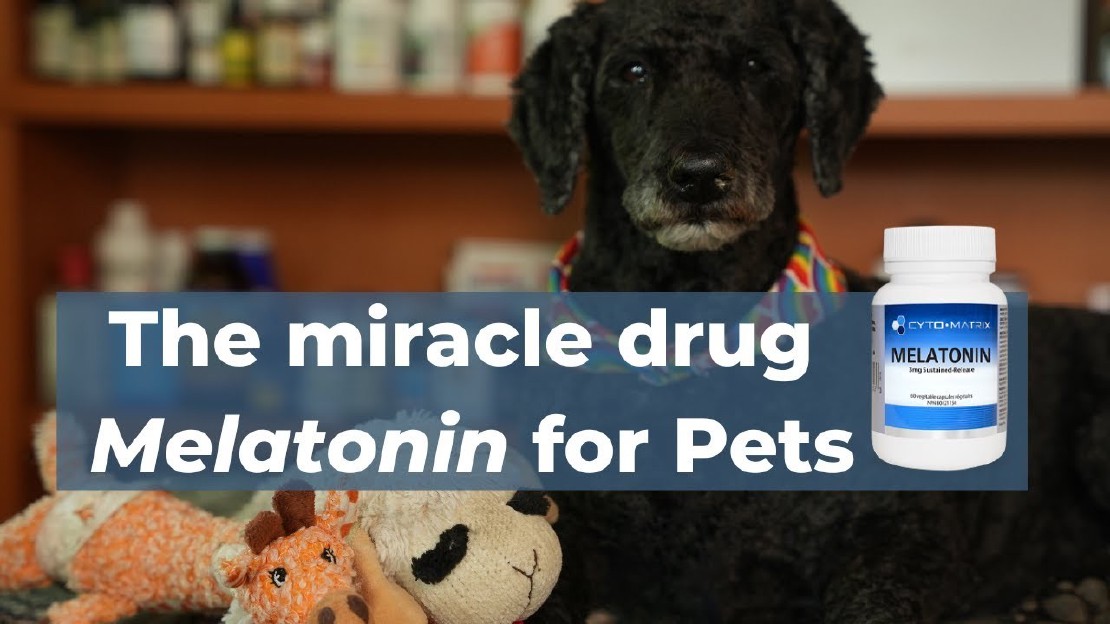
Fireworks can be an enjoyable experience for humans, but for many dogs, they can cause extreme anxiety and distress. The loud noises, bright lights, and scent of fireworks can trigger fear and panic in dogs, leading to unwanted behaviors such as hiding, shaking, barking excessively, or even trying to escape.
One potential solution that has gained popularity in recent years is the use of melatonin to help dogs with fireworks anxiety. Melatonin is a hormone that is naturally produced by the pineal gland in the brain. It plays a crucial role in regulating sleep and wake cycles.
Melatonin supplements can be purchased over-the-counter and are often used to help with sleep disorders in humans. The idea behind giving melatonin to dogs with fireworks anxiety is that it may help them relax and feel calm during fireworks displays.
While there is limited scientific research on the effectiveness of melatonin for dogs with fireworks anxiety, many pet owners and veterinarians have reported positive results. The hormone is believed to have a calming effect on the nervous system, helping dogs to feel more relaxed and less anxious during fireworks displays.
Fireworks anxiety can have a significant impact on dogs, causing them to experience stress and fear. The loud noises, bright flashes, and unfamiliar smells can overwhelm dogs and trigger anxiety responses. Dogs with fireworks anxiety may exhibit various signs of distress, including trembling, panting, pacing, hiding, drooling, and barking excessively.
Fireworks anxiety can have both short-term and long-term effects on dogs. In the short-term, dogs may experience immediate stress and fear during the fireworks display. This can lead to a heightened state of arousal, making it difficult for them to relax or settle down. It can also disrupt their sleep patterns and appetite.
Furthermore, the negative experiences associated with fireworks can lead to long-term effects on dogs’ overall well-being. Dogs may develop a general fear or phobia of loud noises, which can impact their daily lives beyond fireworks events. They may become sensitive to other loud sounds, such as thunderstorms or household appliances.
Dogs with fireworks anxiety may also exhibit behavioral changes as a result of their fear and stress. They may become more clingy or seek constant reassurance from their owners. They may become more reactive or aggressive towards other animals or people. In some cases, dogs may even attempt to escape or run away in an effort to find safety from the perceived threat of fireworks.
To help dogs cope with fireworks anxiety, it is important for owners to provide a safe and comforting environment. This may involve creating a designated space where the dog can retreat to, such as a quiet room or a crate with familiar bedding. Additionally, using calming aids, such as melatonin or other natural remedies, can help alleviate the symptoms of anxiety in dogs during fireworks events.
In conclusion, fireworks anxiety can have a profound impact on dogs, causing them significant stress and fear. Understanding the effects of fireworks anxiety is crucial for owners to provide appropriate support and care for their furry companions during stressful events.
Fireworks anxiety in dogs is a common problem that many pet owners face, especially during events like Independence Day or New Year’s Eve. The loud noises, bright flashes, and unusual smells can trigger fear and anxiety in dogs, leading to a range of behavioral and physiological responses.
Common signs of fireworks anxiety in dogs include trembling, panting, pacing, whining, hiding, and even destructive behavior. Some dogs may try to escape or run away in an attempt to find safety. This can be distressing for both the dog and their owner.
Fireworks anxiety is believed to be caused by a combination of loud noises, unusual sights, and unfamiliar smells associated with fireworks. Dogs have highly sensitive hearing, and the loud booms and cracks can be overwhelming for them. The bright flashes of light can also disorient and frighten them. Additionally, the acrid smell of the fireworks and the smoke they produce can be unfamiliar and distressing for dogs.
Understanding the problem of fireworks anxiety in dogs is crucial for finding effective solutions. By recognizing the signs of anxiety and understanding the factors that contribute to it, pet owners can take steps to help their dogs feel calmer and more secure during fireworks events.
Fireworks anxiety in dogs can be a challenging issue for pet owners to tackle. Fortunately, there are several potential solutions that can help alleviate a dog’s anxiety during fireworks displays.
1. Melatonin: Melatonin is a hormone that regulates sleep-wake cycles in humans and animals. It is commonly used as a natural supplement to help dogs relax and reduce anxiety. Melatonin can be particularly effective in helping dogs cope with fireworks anxiety, as it helps promote sleepiness and a sense of calmness. However, it is important to consult with a veterinarian before giving melatonin to your dog, as the appropriate dosage may vary based on your dog’s size and individual needs.
2. Desensitization: Desensitization involves gradually exposing a dog to the sound of fireworks in a controlled environment, starting with low volume and increasing it over time. This can help the dog become less sensitive to the loud noises associated with fireworks. The process requires patience and consistency, but it can be an effective long-term solution for reducing a dog’s anxiety.
3. Thunder shirts: Thunder shirts are specially designed compression jackets that can provide a calming effect on dogs. They work by applying gentle pressure to the dog’s torso, which helps reduce anxiety and stress. Many pet owners find that putting a thunder shirt on their dog during fireworks displays can significantly alleviate their anxiety.
4. Safe space: Creating a safe and secure space for your dog during fireworks displays can also help reduce their anxiety. This can be a designated room or crate where your dog feels comfortable and can retreat to when they feel scared. Providing familiar toys, blankets, and soothing music in this space can further enhance their sense of security.
5. Anxiety medications: In severe cases of fireworks anxiety, veterinarians may prescribe anti-anxiety medications to help dogs cope. These medications should always be used under the guidance of a professional and after a thorough examination of your dog’s overall health.
While these solutions can be effective in reducing a dog’s fireworks anxiety, it is important to note that every dog is different. What works for one dog may not work for another, so it may take some trial and error to find the best solution for your furry friend. Consulting with a veterinarian and seeking professional guidance can greatly assist in finding the most suitable approach to help your dog overcome fireworks anxiety.
Many pet owners wonder if melatonin can help their dogs with fireworks anxiety. Melatonin is a hormone that is naturally produced in the body and is often used as a sleep aid for humans. It has also been found to have calming effects on dogs, which is why it is sometimes used to help with anxiety.
Melatonin works by regulating the sleep-wake cycle, so giving it to dogs before fireworks can help them relax and potentially reduce their anxiety. It is important to note that melatonin is not a sedative or a tranquilizer, so it will not completely eliminate a dog’s fear of fireworks. However, it can help take the edge off their anxiety and make them more comfortable during fireworks displays.
To give your dog melatonin, it is recommended to consult with your veterinarian first to determine the appropriate dosage. Melatonin is available in various forms, including tablets, capsules, and liquid, and the dosage can vary depending on the size and weight of your dog.
In addition to melatonin, there are other strategies you can try to help your dog with fireworks anxiety. This may include creating a safe and comfortable space for them, playing soothing music or white noise, using a thunder shirt or anxiety wrap, and using pheromone sprays or diffusers.
Overall, while melatonin can help dogs with fireworks anxiety, it is important to remember that each dog is unique, and what works for one may not work for another. It is always best to consult with your veterinarian to develop a comprehensive plan for managing your dog’s anxiety during fireworks.
If your dog experiences anxiety during fireworks displays, it is important to consult with a veterinarian before considering any treatment options. A veterinarian will be able to evaluate your dog’s overall health and make recommendations based on their specific needs.
During the consultation, the veterinarian may ask questions about your dog’s previous experiences with fireworks, the severity of their anxiety, and any other relevant factors. They may also perform a physical examination to rule out any underlying medical conditions that could be contributing to their anxiety.
Based on their assessment, the veterinarian may recommend various strategies to help alleviate your dog’s anxiety. This could include behavior modification techniques, such as desensitization and counterconditioning, which aim to gradually expose your dog to fireworks in a controlled and positive manner.
In some cases, the veterinarian may suggest the use of medications to help manage your dog’s anxiety. While melatonin is commonly used in dogs to promote sleep, its effectiveness in treating fireworks anxiety is still being studied. The veterinarian can discuss the potential benefits and risks associated with melatonin or other medications, and determine if it is a suitable option for your dog.
Ultimately, consulting with a veterinarian is crucial in order to ensure that your dog receives appropriate care and treatment for their fireworks anxiety. A veterinarian can provide personalized guidance and support to help your dog feel more comfortable and safe during fireworks displays.
Melatonin can help dogs with fireworks anxiety by promoting relaxation and reducing anxiety. It is a hormone that helps regulate sleep-wake cycles, and when given in the right dosage, it can calm dogs and make them feel more at ease during stressful events like fireworks. Melatonin can help dogs with anxiety by increasing serotonin levels in the brain, which is responsible for regulating mood and reducing anxiety. It can also help dogs feel more secure and less fearful during fireworks displays.
Melatonin is generally considered safe for dogs when given in the correct dosage. However, it is always important to consult with a veterinarian before giving any medication to your dog, including melatonin. The dosage of melatonin for dogs varies depending on their size and weight, so it is crucial to get the right dosage for your specific dog. It is also important to note that melatonin may not be suitable for dogs with certain medical conditions or those taking certain medications. A veterinarian can evaluate your dog’s individual needs and make a recommendation accordingly.
Melatonin can be given to dogs orally in tablet or treat form. It is important to follow the dosage instructions provided by your veterinarian. Melatonin is typically given about 30-60 minutes before the anticipated stressful event, such as fireworks, to allow enough time for it to take effect. It is recommended to start with a lower dosage and adjust as needed under the guidance of a veterinarian. It is also important to ensure that the melatonin product you are using is specifically formulated for dogs, as some human melatonin products may contain additional ingredients that could be harmful to dogs.
While melatonin is generally considered safe for dogs, there can be potential side effects. Some dogs may experience drowsiness or lethargy after taking melatonin. Other potential side effects may include gastrointestinal upset, including diarrhea or vomiting. It is important to monitor your dog after giving melatonin and contact your veterinarian if you notice any concerning symptoms. Additionally, as with any medication, individual dogs may react differently, so it is important to consult with a veterinarian before starting melatonin and to report any unusual or concerning side effects.
Why has my dog stopped drinking water? Water is an essential part of your dog’s health and well-being. However, if you notice that your dog has …
Read Article
Why has my dog started snarling at other dogs? It can be quite alarming when your normally friendly and well-behaved dog suddenly starts snarling at …
Read Article
Why is my dog pooping clear gel? Seeing your dog poop clear gel can be a cause for concern, and you may be wondering what could be causing this …
Read Article
Why is the bush dog endangered? The bush dog, also known as the Savannah dog or the vineyard dog, is a small and elusive mammal native to the forests …
Read Article
Will lettuce hurt my dog? Dogs are known for their love of food and their ability to eat almost anything. However, when it comes to certain types of …
Read Article
When can puppies leave the whelping box? Deciding when to separate puppies from their mother and the whelping box is a crucial decision that every …
Read Article