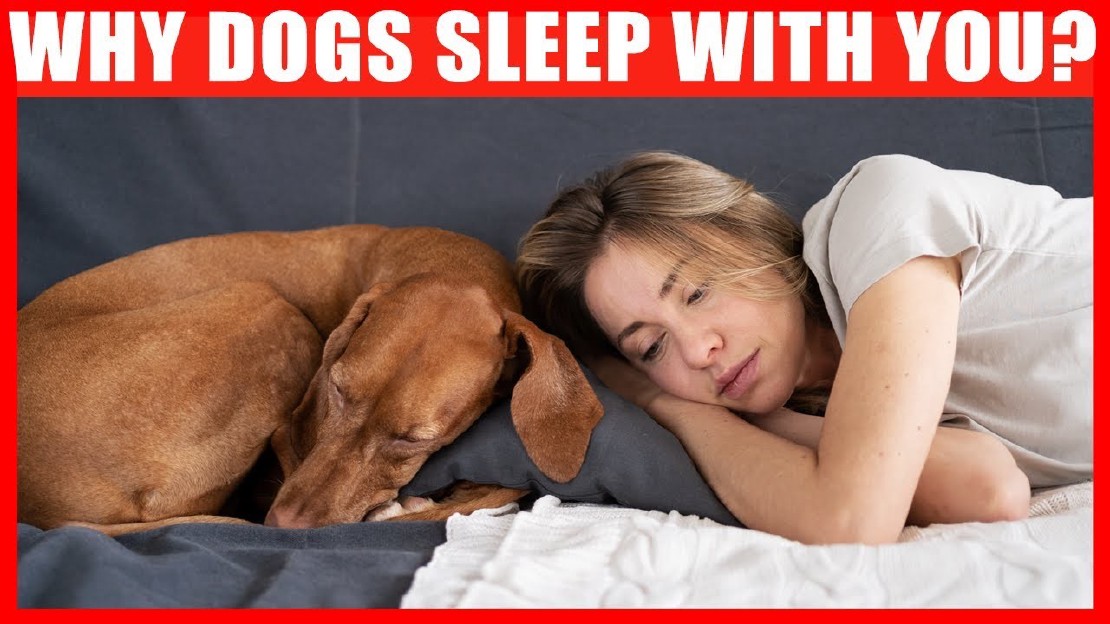
Why Do Dogs Love Sleeping in Bed?
Why dogs like sleeping in bed? Many dog owners have experienced the joy of sharing their bed with their furry friends. But have you ever wondered why …
Read Article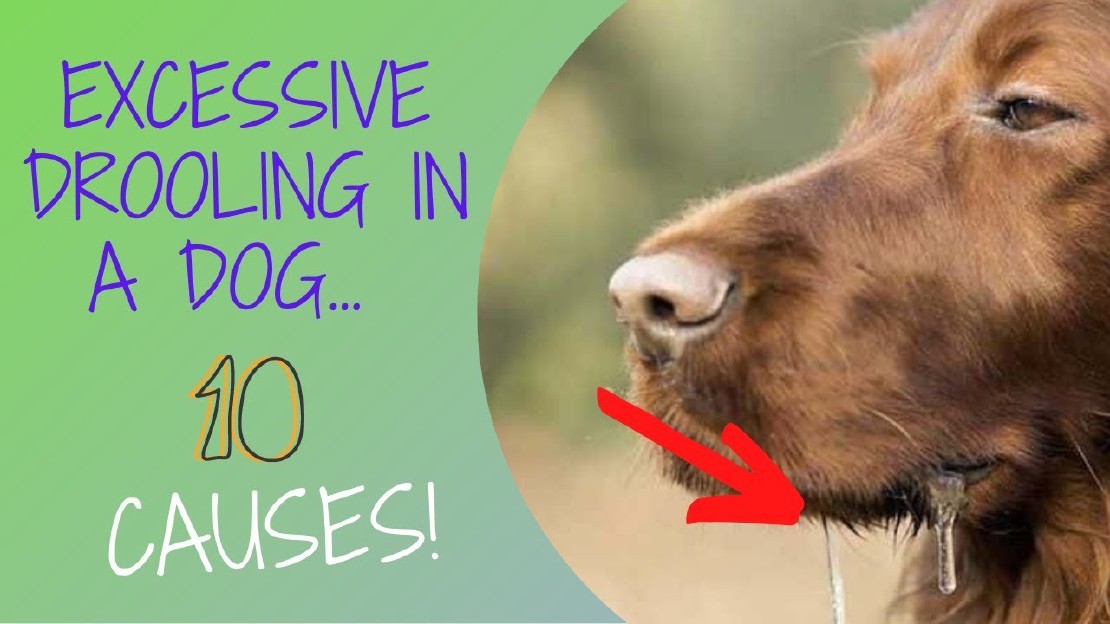
It is well-known that dogs can experience stress just like humans do. However, one surprising symptom of stress in dogs is excessive drooling. While some drooling is normal for dogs, especially certain breeds, excessive drooling can be a sign that something is not right.
Dogs may drool excessively when they are feeling stressed or anxious. This can be triggered by a variety of factors, such as changes in their environment, separation from their owners, or loud noises. Additionally, dogs may also drool when they are feeling nauseous or in pain, both of which can be caused by stress.
Stress can have a negative impact on a dog’s overall health and well-being. Excessive drooling may be one of the visible symptoms of stress, but it can also lead to other health issues. For example, excessive drooling can cause skin irritation and infections, as well as dental problems. Therefore, it is important for dog owners to recognize and address the signs of stress in their pets.
Fortunately, there are several ways to help dogs manage their stress and reduce excessive drooling. This can include providing a safe and comfortable environment, offering plenty of exercise and mental stimulation, and using calming techniques such as massage or aromatherapy. In some cases, medication or professional training may be necessary to help a stressed dog overcome their anxiety and reduce their drooling.
In conclusion, stress can indeed lead to excessive drooling in dogs. As responsible pet owners, it is important to be aware of this potential symptom and take steps to help our furry friends manage their stress and maintain their overall health and well-being.
Excessive drooling in dogs can be caused by various factors, including health issues, anxiety, stress, and certain medications.
One common cause of excessive drooling in dogs is dental problems. If a dog has gum disease, tooth decay, or an oral infection, they may produce more saliva than usual, leading to excessive drooling.
Another potential cause is nausea or digestive problems. Dogs may drool excessively if they have an upset stomach or if they are experiencing motion sickness.
Anxiety and stress can also trigger excessive drooling in dogs. Dogs may drool excessively when they are in unfamiliar environments, during thunderstorms or fireworks, when they are separated from their owners, or in other stressful situations.
Certain medications can also lead to excessive drooling in dogs. Some drugs have side effects that increase saliva production, causing the dog to drool more than usual.
If a dog is drooling excessively, it is important to consult a veterinarian to determine the underlying cause and appropriate treatment. The vet may perform a physical examination, take blood tests, or conduct other diagnostic procedures to identify the cause of the excessive drooling.
Treatment for excessive drooling will depend on the underlying cause. In some cases, the vet may recommend dental treatment, such as teeth cleaning or extraction. In other cases, medication or behavioral therapy may be necessary to address the underlying issue causing the excessive drooling.
Stress can have a significant impact on a dog’s overall health and well-being. While it is natural for dogs to experience occasional stress, excessive or chronic stress can lead to various physical and behavioral symptoms.
When a dog is stressed, their body releases stress hormones such as cortisol, which can affect their immune system and digestive function. This hormonal response can also manifest in physical symptoms, including excessive drooling.
Stress can be triggered by a variety of factors, such as changes in the dog’s environment, routine, or social dynamics. Common sources of stress for dogs include a move to a new home, the arrival of a new pet or family member, loud noises such as thunderstorms or fireworks, or being left alone for extended periods of time.
It’s important to note that not all dogs react to stress in the same way, and some may be more prone to excessive drooling as a response to stress compared to others. Additionally, some dogs may exhibit other signs of stress alongside excessive drooling, such as panting, pacing, trembling, or changes in appetite or behavior.
If you notice that your dog is drooling excessively and you suspect it may be due to stress, it’s essential to address the underlying cause of stress and provide appropriate support and management. A veterinarian can help assess the situation and provide guidance on managing stress in dogs. This may include behavioral modifications, environmental enrichment, or in some cases, medication or supplements to help alleviate anxiety and promote relaxation.
In addition to stress, there are several other potential causes of excessive drooling in dogs. One common cause is oral health issues, such as gum disease or dental infections. These conditions can cause pain or discomfort in the mouth, leading to increased salivation. Other oral health problems, such as abscesses or foreign objects stuck in the mouth, can also contribute to excessive drooling.
Another potential cause of excessive drooling is nausea or digestive issues. Dogs with an upset stomach or gastrointestinal problems may produce more saliva as a result. This can be a sign of an underlying issue, such as an infection or food intolerance, that needs to be addressed.
Some dogs may drool excessively due to excitement or anticipation. This can happen when they are anticipating a meal or engaging in a highly stimulating activity. While this type of drooling is usually temporary and not a cause for concern, it can be helpful to manage the environment to reduce the dog’s excitement level.
In some cases, health conditions such as heat stroke, neurological disorders, or certain medications can also lead to excessive drooling in dogs. If you notice persistent or concerning drooling in your dog, it is important to consult with a veterinarian to determine the underlying cause and appropriate treatment.
Drooling is a common response to stress in dogs. When dogs feel anxious or nervous, their body releases excess saliva. This excessive drooling is a natural physiological response and is often seen in situations such as vet visits, car rides, or thunderstorms.
In most cases, excessive drooling in dogs is not harmful. It is a normal response to stress and will usually subside once the stressful situation has passed. However, if your dog’s drooling is accompanied by other symptoms such as vomiting, diarrhea, or difficulty breathing, it may indicate a more serious underlying health issue and you should consult a veterinarian.
There are several ways you can help reduce your dog’s drooling when it is stressed. First, try to identify and avoid triggers that cause stress in your dog. If a specific situation such as car rides or vet visits is causing excessive drooling, you can gradually desensitize your dog to these situations by exposing them to them in a controlled and positive manner. Additionally, providing your dog with a safe and comfortable environment, plenty of exercise, and mental stimulation can help reduce overall stress levels.
While there are no specific medications to treat excessive drooling in dogs caused by stress, there are medications that can help manage anxiety in dogs. If you believe your dog’s drooling is a result of anxiety or stress and it is significantly impacting their quality of life, you should consult with a veterinarian. They may recommend behavioral therapies, such as desensitization and counterconditioning, or prescribe anti-anxiety medications on a case-by-case basis.
Why dogs like sleeping in bed? Many dog owners have experienced the joy of sharing their bed with their furry friends. But have you ever wondered why …
Read Article
Why dogs kick dirt after pooping? Dogs have many unique and interesting behaviors, and one of these fascinating actions is when they kick dirt after …
Read Article
Why dogs eat their puppies? One of the most shocking and puzzling behaviors observed in domestic dogs is when a mother dog eats her own puppies. This …
Read Article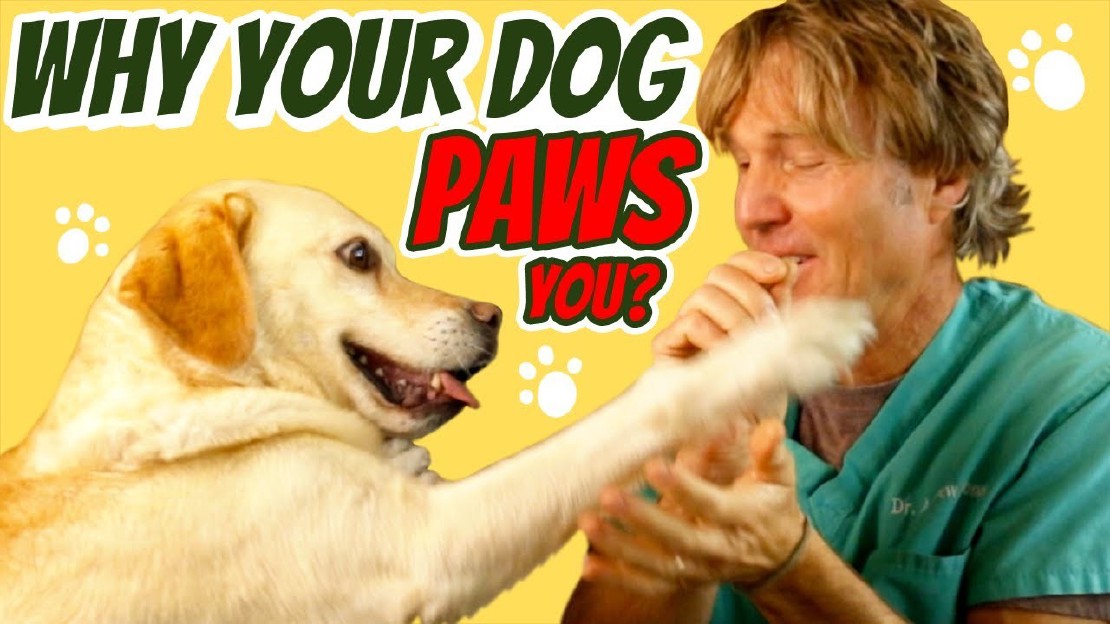
Why dog puts paw on you? Have you ever noticed that your dog often puts its paw on you? This behavior might seem cute or endearing, but have you ever …
Read Article
Why is my dog panting with his mouth open? Table Of Contents Common Reasons for Dogs Panting with Their Mouth Open Heat and Overexertion Anxiety and …
Read Article
Why is my puppys tummy gurgling? As a puppy owner, you may have noticed your furry friend’s tummy making strange gurgling sounds from time to …
Read Article