
Reasons why your dog has stopped drinking water
Why has my dog stopped drinking water? Water is an essential part of your dog’s health and well-being. However, if you notice that your dog has …
Read Article
If you’re a dog owner, you know how important it is to feed your furry friend a nutritious diet to keep them healthy and happy. But when it comes to human foods, it can be confusing to know what is safe for dogs to eat and what should be avoided.
One food that often raises questions is bell peppers. These colorful vegetables are a popular addition to many dishes, and you may be wondering if they are safe for your canine companion to enjoy. In this guide, we’ll take a closer look at whether dogs can eat bell peppers and the potential benefits and risks associated with feeding them to your furry friend.
The short answer is yes, dogs can eat bell peppers. Bell peppers are not toxic to dogs and can be a healthy and tasty addition to their diet in moderation. They are low in calories and rich in vitamins A and C, as well as fiber. However, it’s important to prepare them properly and feed them in moderation to avoid any potential digestive upset.
It’s important to note that while bell peppers are generally safe for dogs, some dogs may have allergies or sensitivities to certain foods, including peppers. If you’re unsure whether bell peppers are suitable for your dog, it’s always best to consult with your veterinarian before introducing them into their diet.
Now that we know dogs can eat bell peppers, let’s explore the potential benefits and risks associated with feeding them to your canine friend. As mentioned earlier, bell peppers are low in calories and contain vitamins A, C, and fiber, which can support a healthy immune system and digestion. They are also a good source of antioxidants, which can help reduce inflammation and promote overall well-being.
However, it’s important to feed bell peppers to your dog in moderation. Too much of any food can potentially cause stomach upset or digestive issues. Additionally, the seeds and stem of the bell pepper should be removed before feeding it to your dog to avoid any choking hazards.
To sum it up, bell peppers can be a healthy and safe addition to your dog’s diet, but as with any new food, it’s important to monitor your dog for any adverse reactions. Always remember to introduce new foods gradually and consult with your veterinarian if you have any concerns or questions about your dog’s diet.
Many dog owners wonder if it’s safe to feed their furry friends bell peppers. The good news is that bell peppers are generally safe for dogs to eat. They are low in calories and fat, making them a healthy and nutritious snack option for dogs. However, there are a few things to keep in mind when feeding bell peppers to your canine companion.
Firstly, it’s important to remove the seeds and stems from the bell peppers before giving them to your dog. These parts can be difficult for dogs to digest and may cause digestive issues. Additionally, some dogs may have an allergy or sensitivity to bell peppers, so it’s always a good idea to start with a small amount and monitor your dog for any adverse reactions.
Bell peppers contain a variety of vitamins and minerals that can be beneficial for dogs. They are a good source of vitamin C, vitamin A, and potassium. These nutrients can support your dog’s immune system, improve their skin and coat health, and promote overall wellbeing.
When feeding bell peppers to your dog, it’s best to cook them first. Raw bell peppers can be difficult for dogs to chew and digest, and cooking them can help to soften them. You can steam or sautГ© the bell peppers with a small amount of olive oil to make them more palatable for your dog.
It’s also worth noting that bell peppers come in different colors, such as red, green, and yellow. While all colors of bell peppers are safe for dogs, red bell peppers are the most nutritious as they contain higher levels of antioxidants. Including bell peppers as part of your dog’s balanced diet can provide them with additional nutrients and variety in their meals.
In conclusion, bell peppers can be a healthy and tasty addition to your dog’s diet. Just remember to remove the seeds and stems, cook them before serving, and start with small amounts to ensure your dog tolerates them well. As always, it’s a good idea to consult with your veterinarian before making any major changes to your dog’s diet.
Feeding your canine friend a balanced and nutritious diet is essential for their overall health and well-being. Just like humans, dogs require a combination of proteins, carbohydrates, fats, vitamins, and minerals to thrive.
Proteins are an important component of a dog’s diet as they provide essential amino acids that help build and repair tissues. Good sources of protein for dogs include meat, fish, poultry, and dairy products. It is important to choose lean proteins and avoid excessive amounts of fat.
Carbohydrates are another important part of a dog’s diet as they provide energy. Good sources of carbohydrates for dogs include grains such as rice, oats, and barley, as well as fruits and vegetables. However, it is important to note that not all carbohydrates are safe for dogs, and some should be avoided, such as foods high in sugar or those that contain artificial sweeteners.
Fats are a concentrated source of energy and provide important fatty acids that are necessary for the absorption of certain vitamins. Good sources of fats for dogs include animal fats, such as those found in meat and fish, as well as plant-based oils, such as olive oil and flaxseed oil.
Vitamins and minerals are essential for a dog’s overall health and play a crucial role in various bodily functions. While dogs can obtain vitamins and minerals from their diet, supplementation may be necessary in certain cases. It is important to consult with a veterinarian to determine the appropriate supplementation for your dog’s specific needs.
In addition to providing a balanced diet, it is important to ensure that your dog has access to fresh water at all times. Proper hydration is essential for maintaining overall health and preventing dehydration.
In conclusion, a canine diet should consist of a variety of proteins, carbohydrates, fats, vitamins, and minerals to support the overall health and well-being of your dog. It is important to consult with a veterinarian to determine the specific dietary needs of your canine friend and provide them with a balanced and nutritious diet.
Bell peppers are not only a tasty addition to your favorite dishes, but they also provide several potential nutritional benefits for your canine friend.
Vitamin C: Bell peppers are a great source of vitamin C, which is essential for your dog’s immune system. Vitamin C can help protect your dog against free radicals and boost their overall health.
Antioxidants: Bell peppers are rich in antioxidants, such as beta-carotene and lycopene. These antioxidants help fight inflammation and can have potential anti-cancer effects in dogs.
Fiber: Bell peppers are a good source of dietary fiber, which can aid in digestion and promote a healthy digestive system in your furry companion.
Vitamins A and E: Bell peppers contain vitamins A and E, which are important for your dog’s vision, skin health, and overall well-being.
Hydration: Bell peppers have a high water content, which can contribute to your dog’s hydration, especially during hot summer months.
Low in calories: Bell peppers are low in calories, making them a great snack option for dogs who may need to watch their weight.
It’s important to note that while bell peppers can provide these potential nutritional benefits, it’s essential to feed them to your dog in moderation. Too much of any new food can upset their digestive system, so start by introducing small amounts and monitor your dog’s response.
While bell peppers are generally safe for dogs to eat, there are a few potential risks and precautions to be aware of.
Firstly, it’s important to remember that dogs have different digestive systems than humans. While bell peppers are a good source of vitamins and minerals for us, they may not provide the same benefits for dogs. It’s always best to consult with your veterinarian before introducing any new foods into your dog’s diet.
Another potential risk is the presence of pesticides on the bell peppers. It’s important to choose organic bell peppers whenever possible to minimize the risk of pesticide exposure. Washing the peppers thoroughly before feeding them to your dog can also help reduce any potential pesticide residue.
Some dogs may also have difficulty digesting bell peppers, particularly if they are fed in large quantities or if the peppers are not cooked or chopped into small pieces. Feeding bell peppers in moderation and ensuring they are properly prepared can help minimize any digestive issues.
Additionally, some dogs may have an allergic reaction to bell peppers. Signs of an allergic reaction can include itching, redness, swelling, or gastrointestinal upset. If you notice any of these symptoms after feeding your dog bell peppers, it’s important to stop feeding them immediately and consult with your veterinarian.
Overall, while bell peppers can be a healthy addition to your dog’s diet, it’s important to be aware of the potential risks and take precautions to ensure their safety and well-being.
Yes, dogs can eat bell peppers in moderation. Bell peppers are a safe and healthy vegetable for dogs and can be a good source of vitamins and antioxidants. However, it is important to remove the seeds and stem before feeding them to your dog.
No, bell peppers are not toxic to dogs. In fact, they are a safe and healthy vegetable that can be included in a dog’s diet. However, it is important to feed bell peppers in moderation and remove the seeds and stem before giving them to your dog.
Feeding bell peppers to dogs can provide them with a range of health benefits. Bell peppers are a good source of vitamins A, C, and E, as well as antioxidants. They can help boost the immune system, support eye health, and promote healthy skin and coat in dogs.
Bell peppers are generally safe for dogs to eat. However, some dogs may have difficulty digesting bell peppers, which can lead to digestive upset, such as diarrhea or gas. It is important to introduce bell peppers to your dog’s diet gradually and monitor their reaction to ensure they tolerate them well.
Why has my dog stopped drinking water? Water is an essential part of your dog’s health and well-being. However, if you notice that your dog has …
Read Article
Why has my dog started snarling at other dogs? It can be quite alarming when your normally friendly and well-behaved dog suddenly starts snarling at …
Read Article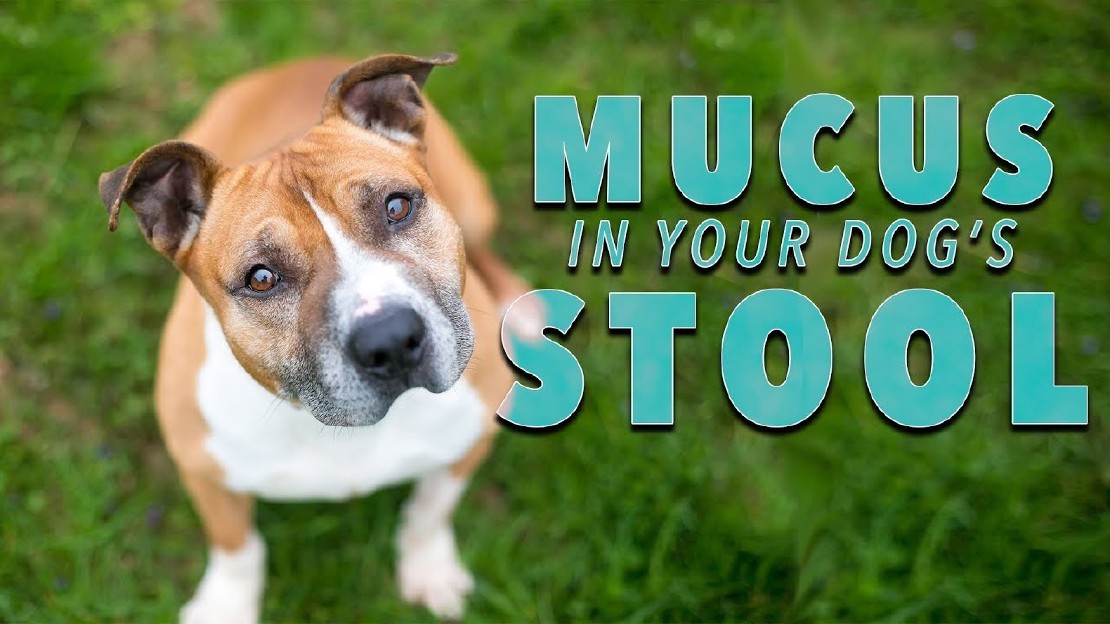
Why is my dog pooping clear gel? Seeing your dog poop clear gel can be a cause for concern, and you may be wondering what could be causing this …
Read Article
Why is the bush dog endangered? The bush dog, also known as the Savannah dog or the vineyard dog, is a small and elusive mammal native to the forests …
Read Article
Will lettuce hurt my dog? Dogs are known for their love of food and their ability to eat almost anything. However, when it comes to certain types of …
Read Article
When can puppies leave the whelping box? Deciding when to separate puppies from their mother and the whelping box is a crucial decision that every …
Read Article