
Why Do Dogs Love Sleeping in Bed?
Why dogs like sleeping in bed? Many dog owners have experienced the joy of sharing their bed with their furry friends. But have you ever wondered why …
Read Article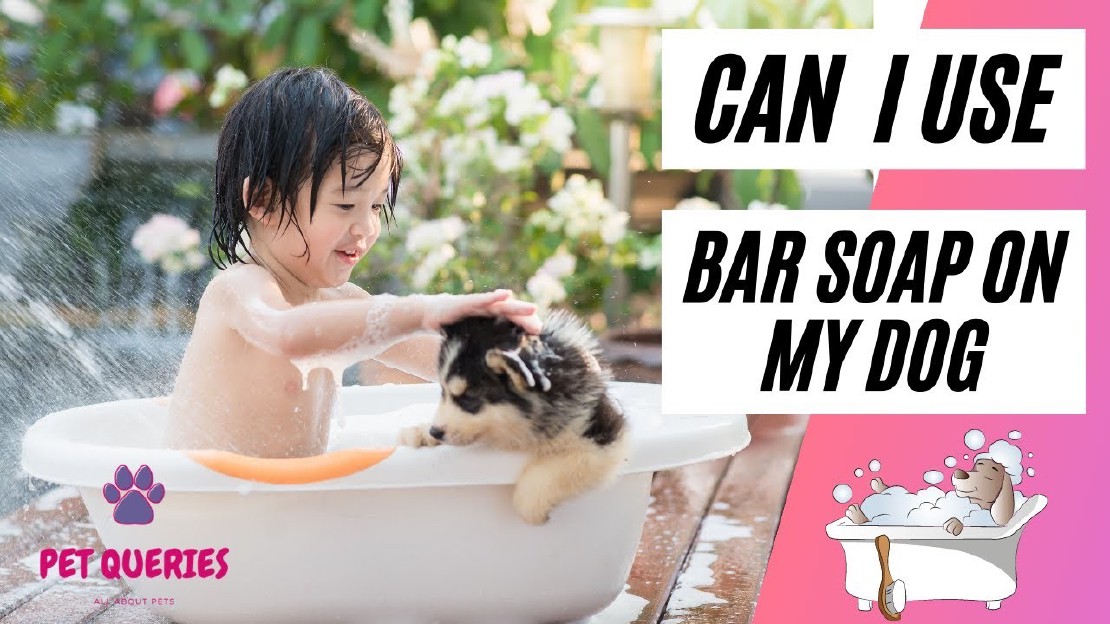
Many pet owners may find themselves wondering if it is safe to use human soap on their dogs. While it may be tempting to use products that are already available in the household, it is important to consider the specific needs and sensitivities of our four-legged friends. Dogs have different skin pH levels and hair types compared to humans, and using human soap on them may lead to skin irritation, dryness, and discomfort.
Dog skin is more sensitive and delicate than human skin. Human soap often contains harsh ingredients, fragrances, and dyes that can be too abrasive or irritating for dogs. It is important to choose products specifically formulated for dogs, as they have been designed to meet their specific needs. These products are usually milder, pH-balanced, and free from potentially harmful chemicals.
In addition, dogs have a natural protective layer on their skin called the acid mantle. This layer helps to maintain the pH balance and protect against bacteria and other irritants. Using human soap can disrupt this natural balance and compromise the skin’s barrier function, leaving dogs more susceptible to infections and skin issues.
If you do need to bathe your dog and don’t have access to dog-specific products, it is recommended to use a gentle, unscented baby shampoo or a mild hypoallergenic soap. However, it is always best to consult with a veterinarian before using any new products on your dog, especially if they have pre-existing skin conditions or sensitivities.
In summary, it is generally not safe to use human soap on dogs due to their different skin pH levels and sensitivities. Using human soap can lead to skin irritation, dryness, and compromised skin health. It is advisable to choose products that are specifically formulated for dogs to ensure their well-being and comfort during bath time.
Human skin and dog skin may seem similar, but there are some key differences between the two. Understanding these differences can help you make informed decisions about the products you use on your dog’s skin.
1. Thickness: The thickness of human skin is generally consistent across the body, while the thickness of dog skin can vary depending on the breed. Some breeds, like Greyhounds, have thin skin, while others, like Bulldogs, have thicker skin. This difference in thickness can affect the absorption rate of substances applied to the skin.
2. pH levels: Another important difference between human and dog skin is the pH levels. Human skin has a slightly acidic pH, usually around 5.5, which helps to maintain a healthy skin barrier. Dog skin, on the other hand, tends to be more neutral, with a pH level around 7. This difference in pH can make human soap too alkaline for a dog’s skin, potentially leading to dryness and irritation.
3. Sebaceous glands: Dogs have more sebaceous glands than humans, which are responsible for producing sebum, the skin’s natural oil. This can make their skin more prone to becoming oily and developing a greasy appearance. On the other hand, humans generally have fewer sebaceous glands, leading to drier skin.
4. Hair density: Dogs are covered in fur, while humans have hair in specific areas of the body. This difference in hair density affects how products are distributed and absorbed by the skin. Shampoos and soaps designed for human use may not penetrate a dog’s thick fur as effectively, making them less efficient at cleaning or treating skin conditions.
5. Sensitivity: Dog skin tends to be more sensitive than human skin. It is more prone to allergies, irritations, and infections. This means that even products labeled as safe for humans may cause adverse reactions in dogs. It is important to select products specifically formulated for dogs to avoid potential skin issues.
It is essential to consider these differences when choosing products for your dog’s skin. Using human soap on a dog may not be safe due to variations in skin thickness, pH levels, sebaceous glands, hair density, and sensitivity. Opting for specialized dog shampoos and soaps can help maintain a healthy skin barrier and prevent skin issues in your furry friend.
While it may be tempting to use human soap on your dog, it is important to consider the potential risks involved. Dogs have a different pH balance and sensitive skin compared to humans, so using human soap can disrupt the natural balance of their skin and cause irritation.
One potential risk of using human soap on dogs is that it can strip away the natural oils that keep their skin moisturized. Human soaps often contain harsh chemicals and fragrances that can be too strong for a dog’s delicate skin, leading to dryness and itching.
Additionally, some human soaps may contain ingredients that are toxic to dogs. For example, certain essential oils and artificial fragrances can be harmful when ingested or absorbed through a dog’s skin. Dogs have a tendency to lick themselves, so any residue left on their fur can potentially be ingested.
Using human soap on dogs can also disrupt the balance of their skin microbiome. Dogs have a different set of natural bacteria on their skin compared to humans, and using human soap can kill off the beneficial bacteria and disrupt the natural balance. This can potentially lead to further skin issues and infections.
Instead of using human soap, it is recommended to use gentle, specially formulated dog shampoos that are designed to suit their specific needs. These shampoos are pH-balanced and contain ingredients that are safe for dogs. If you are unsure about which shampoo to use, it is best to consult with a veterinarian.
When it comes to grooming your dog, it’s important to use products that are safe and specially formulated for their needs. While human soap may seem like a convenient option, it’s best to avoid using it on your furry friend. Fortunately, there are several alternatives to human soap that are more suitable for dog grooming.
1. Dog-specific shampoos: Dog shampoos are specifically formulated for canine skin and coat needs. They come in various formulas targeting different issues, such as sensitive skin, dryness, or odor control. Dog-specific shampoos are pH-balanced and gentle, making them a safer option for your pet compared to human soap.
2. Oats: Oatmeal is a natural ingredient known for its soothing and moisturizing properties. Oat-based shampoos or rinses can help calm irritated skin, alleviate itching, and provide relief from dryness. Look for products that feature colloidal oatmeal as a key ingredient for the best results.
3. Coconut oil: Coconut oil is a versatile product that can be used for various purposes in dog grooming. It can act as a natural moisturizer for dry skin and help improve the condition of your dog’s coat. You can use pure coconut oil as a topical treatment or look for grooming products that contain coconut oil as an ingredient.
4. Aloe vera: Aloe vera has soothing and healing properties, making it a great option for dogs with irritated or sensitive skin. Aloe vera-based shampoos or gels can help calm inflammation and promote healthy skin. Just make sure to choose products that contain pure aloe vera without any added fragrances or chemicals.
5. Hypoallergenic options: If your dog has allergies or sensitivities, it’s best to opt for hypoallergenic grooming products. These are specifically designed to minimize the risk of allergic reactions and are often free from harsh chemicals, fragrances, and dyes. Look for products labeled as hypoallergenic or suitable for sensitive skin.
6. Natural remedies: In addition to specific grooming products, there are also natural remedies that can aid in dog grooming. For example, apple cider vinegar can help restore the pH balance of your dog’s skin and vinegar rinses can help eliminate odors. Always dilute vinegar before use and avoid contact with the eyes.
In conclusion, while human soap may seem like a convenient option for dog grooming, it’s best to use products that are specifically formulated for canine needs. Dog-specific shampoos, oat-based products, coconut oil, aloe vera, hypoallergenic options, and natural remedies can all be safer and more beneficial alternatives to human soap. Prioritize your dog’s health and well-being by choosing the right grooming products for them.
No, it is not safe to use human soap on your dog. Human soaps are formulated for the pH balance of human skin, which is different from the pH balance of a dog’s skin. Using human soap on a dog can lead to skin dryness, irritation, and even allergies. It is best to use a soap specifically designed for dogs, which will have the correct pH balance and ingredients that are safe for their skin.
Using human soap on dogs can have several risks. The pH balance of human soap is different from a dog’s skin, which can cause dryness, irritation, and allergic reactions. Additionally, certain ingredients in human soap, such as fragrances and dyes, can be harmful to dogs and cause skin problems. It is important to use a soap specifically formulated for dogs to avoid these risks.
When bathing your dog, it is recommended to use a soap specifically designed for dogs. These soaps are formulated to have the correct pH balance for a dog’s skin and often contain natural ingredients that are safe and gentle. Look for dog shampoos that are free from harsh chemicals, fragrances, and dyes. It is best to consult with your veterinarian to find the most suitable soap for your dog’s specific needs.
Using a soap specifically designed for dogs has several benefits. Firstly, dog-specific soaps have the correct pH balance for a dog’s skin, which helps to maintain the natural protective barrier of their skin. These soaps are also formulated with ingredients that are safe and gentle for dogs, reducing the risk of skin dryness, irritation, and allergies. Additionally, many dog shampoos contain natural ingredients that can help to soothe and moisturize the skin, leaving the dog’s coat soft and shiny.
Why dogs like sleeping in bed? Many dog owners have experienced the joy of sharing their bed with their furry friends. But have you ever wondered why …
Read Article
Why dogs kick dirt after pooping? Dogs have many unique and interesting behaviors, and one of these fascinating actions is when they kick dirt after …
Read Article
Why dogs eat their puppies? One of the most shocking and puzzling behaviors observed in domestic dogs is when a mother dog eats her own puppies. This …
Read Article
Why dog puts paw on you? Have you ever noticed that your dog often puts its paw on you? This behavior might seem cute or endearing, but have you ever …
Read Article
Why is my dog panting with his mouth open? Table Of Contents Common Reasons for Dogs Panting with Their Mouth Open Heat and Overexertion Anxiety and …
Read Article
Why is my puppys tummy gurgling? As a puppy owner, you may have noticed your furry friend’s tummy making strange gurgling sounds from time to …
Read Article