
Why Do Dogs Love Sleeping in Bed?
Why dogs like sleeping in bed? Many dog owners have experienced the joy of sharing their bed with their furry friends. But have you ever wondered why …
Read Article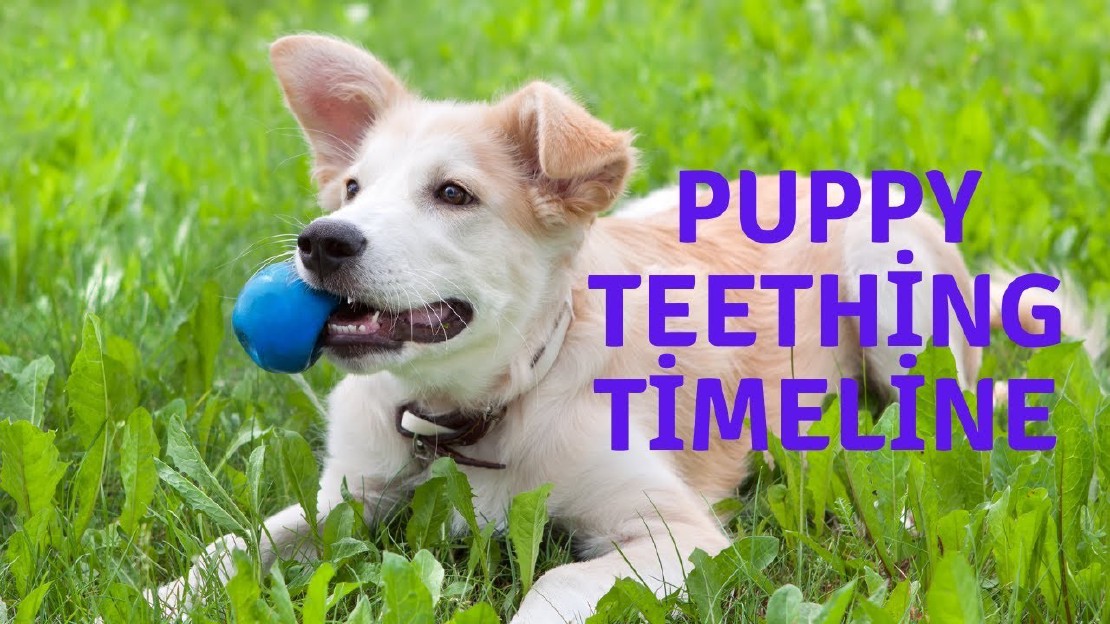
Teething is an important stage in the development of puppies. It marks the transition from milk teeth to permanent adult teeth. Just like human babies, puppies also go through this process, but the timeline may vary. Understanding when puppies start teething and knowing the signs can help pet owners provide appropriate care and support during this crucial period.
The teething process typically begins when puppies are around 3 to 4 months old. At this stage, their baby teeth, also known as deciduous teeth, start falling out to make way for their adult teeth. The entire teething period can last for several months, with the final adult teeth usually erupting by the time the puppy is around 6 to 8 months old.
During the teething process, puppies may exhibit various signs. One common sign is increased chewing behavior as they seek relief from the discomfort caused by their emerging teeth. Pet owners often find their puppies chewing on furniture, shoes, or household objects. It is important to provide appropriate chew toys and bones to redirect their chewing behavior and protect your belongings.
Other signs of teething in puppies include drooling, swollen gums, reluctance to eat hard food, and even mild behavior changes. Some puppies may experience discomfort or pain, leading to irritability or increased sensitivity. It is important for pet owners to monitor these signs and provide appropriate care, such as softening their food or providing chilled toys to soothe their gums.
Teething is a natural process that all puppies go through, just like humans. It is the stage when their baby teeth start to fall out and are replaced by their permanent adult teeth. This usually begins when the puppies are around 3 to 4 months old, although the exact timing can vary from one puppy to another.
During the teething process, puppies experience discomfort and irritation as their new teeth emerge. They may chew on objects more than usual, as chewing helps to alleviate the discomfort. It’s important to provide them with appropriate chew toys to redirect their chewing behavior and protect your furniture and belongings from damage.
The teething process typically has several stages. The first stage is when the puppies’ baby teeth start to loosen and fall out. This usually occurs around 3 to 4 months of age. The second stage is when the adult teeth start to appear, usually around 4 to 6 months of age. At this stage, you may notice that your puppy has sharp, needle-like teeth.
During the teething process, it’s important to take extra care of your puppy’s oral hygiene. You can gently brush their teeth with a dog toothbrush and toothpaste made specifically for dogs. Providing them with appropriate chew toys, such as rubber toys or bones, can help promote good oral health and relieve discomfort.
If you notice any signs of excessive pain or discomfort during the teething process, it’s best to consult with your veterinarian. They can provide guidance on proper oral care and recommend any necessary treatments or medications to help alleviate your puppy’s discomfort.
Puppy teething is a natural process that all puppies go through, just like human babies. It is important for puppy owners to understand the different stages of teething and the signs to look for during each stage.
The first stage of teething usually begins when puppies are around 3 to 4 weeks old. During this stage, puppies start to lose their baby teeth and their adult teeth begin to grow in. This can cause discomfort and pain for the puppy, and they may start to chew on objects to alleviate the discomfort.
The second stage of teething usually occurs when puppies are around 4 to 6 months old. This is when the adult teeth start to fully come in and the baby teeth fall out. During this stage, puppies may experience increased itching and discomfort in their gums, leading them to chew on objects more frequently.
The third and final stage of teething usually occurs when puppies are around 6 to 8 months old. By this time, all of the puppy’s adult teeth should have fully grown in and the teething process should be complete. However, some puppies may take longer to finish teething. During this stage, puppies may still have a strong urge to chew, but the discomfort should be significantly reduced.
During each stage of teething, it is important for puppy owners to provide appropriate chew toys and objects for their puppies to chew on. This can help alleviate the discomfort and discourage puppies from chewing on furniture or other inappropriate objects. It is also important for puppy owners to regularly check their puppy’s mouth and teeth for any signs of infection or problems.
In conclusion, understanding the stages of puppy teething can help puppy owners provide the appropriate care and attention to their growing puppies. It is important to be patient during this process and provide puppies with the necessary tools to alleviate discomfort and promote proper oral hygiene.
Teething is a natural and normal process that puppies go through as they grow. Just like human babies, puppies also experience discomfort and pain during this phase. Here are some common signs that indicate your puppy is teething:
It’s important to provide appropriate chew toys and treats during this time to help ease your puppy’s teething discomfort. Frozen carrots or teething toys made of rubber or natural materials can be soothing for your puppy’s gums. Regularly check your puppy’s mouth for any signs of infection or damage, and consult your vet if you have any concerns.
The stages of teething in puppies are the deciduous stage and the permanent stage. In the deciduous stage, puppies start to grow their baby teeth, also known as milk teeth. This usually happens around 3-4 weeks of age and lasts until around 12-16 weeks. The permanent stage follows, where the baby teeth start to fall out and are replaced by the adult teeth. This usually occurs around 4-6 months of age and can last up to 7-8 months.
Some signs that a puppy is teething include excessive chewing, drooling, irritability, swollen gums, bleeding gums, loss of appetite, and reluctance to eat solid food. Puppies may also display increased biting or nipping behavior as they try to relieve the discomfort in their mouths. It’s important to provide appropriate chew toys and teething aids to help soothe their gums.
There are several ways to help your teething puppy. Providing appropriate chew toys and teething aids can help soothe their gums and satisfy their natural urge to chew. Cold items such as frozen carrots or wet washcloths can also provide relief. It’s important to supervise your puppy while they chew and ensure they have access to fresh water. Gentle massaging of the gums with a clean finger or a soft cloth can also be soothing.
Teething itself is a normal process in puppies and is not typically associated with significant health issues. However, there can be some discomfort and gum irritation during this time. Puppies may be more prone to infections or dental problems if their gums are not properly cared for. It’s important to monitor their teething process, provide appropriate chew toys, and ensure good oral hygiene to prevent any potential issues.
Why dogs like sleeping in bed? Many dog owners have experienced the joy of sharing their bed with their furry friends. But have you ever wondered why …
Read Article
Why dogs kick dirt after pooping? Dogs have many unique and interesting behaviors, and one of these fascinating actions is when they kick dirt after …
Read Article
Why dogs eat their puppies? One of the most shocking and puzzling behaviors observed in domestic dogs is when a mother dog eats her own puppies. This …
Read Article
Why dog puts paw on you? Have you ever noticed that your dog often puts its paw on you? This behavior might seem cute or endearing, but have you ever …
Read Article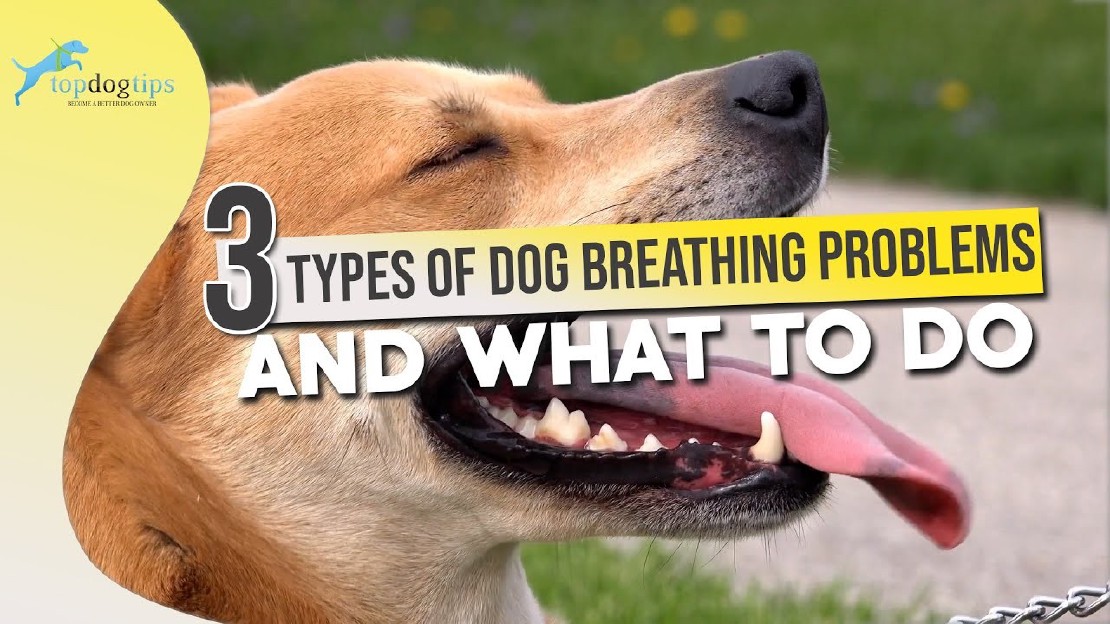
Why is my dog panting with his mouth open? Table Of Contents Common Reasons for Dogs Panting with Their Mouth Open Heat and Overexertion Anxiety and …
Read Article
Why is my puppys tummy gurgling? As a puppy owner, you may have noticed your furry friend’s tummy making strange gurgling sounds from time to …
Read Article