
5 Reasons Your Dog May be Peeing Inside and How to Stop It
Why has my dog started peeing inside? Is your dog having accidents in the house? Don’t worry, you’re not alone. Many dog owners have …
Read Article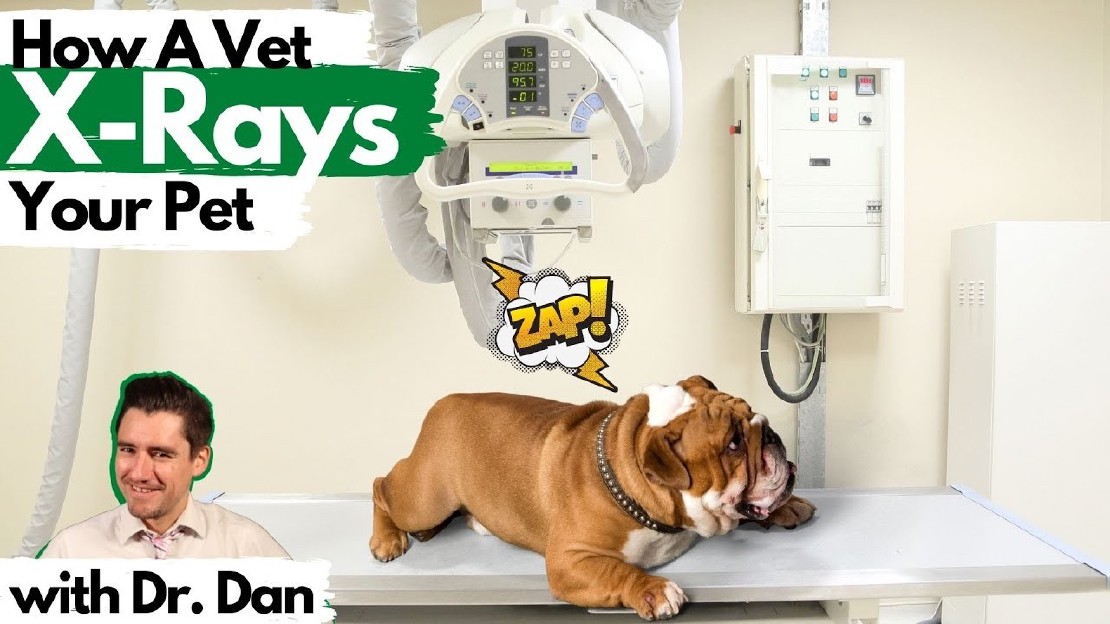
Dogs, just like humans, sometimes require medical imaging in order to diagnose and treat various health conditions. X-rays are commonly used in veterinary medicine to help identify problems such as broken bones, tumors, or foreign objects inside a dog’s body. However, many dog owners have concerns about the safety of X-rays and the potential risks they may pose to their furry friends. In this article, we will explore the safety of X-rays for dogs and provide you with everything you need to know about this important diagnostic tool.
What are X-rays?
X-rays are a form of electromagnetic radiation that can pass through the body and create images of the internal structures. They are commonly used in medical and veterinary settings to help diagnose and monitor various conditions. X-rays work by emitting a controlled burst of radiation that passes through the body and is absorbed by different tissues at different rates. This creates a contrast that is captured on a special film or digital detector, allowing medical professionals to see the bones, organs, and other structures inside the body.
Are X-rays safe for dogs?
When used properly, X-rays are generally considered to be safe for dogs. The dose of radiation used in veterinary X-rays is typically low and the exposure time is minimal, which helps to minimize any potential risks. However, it is important to note that all forms of radiation can have some degree of risk. The potential harm from X-rays is related to the cumulative amount of radiation a dog receives over time, so it is important to minimize unnecessary exposure and use appropriate shielding techniques to protect the dog’s body from radiation.
It is important to remember that the benefits of veterinary X-rays often outweigh the potential risks, as they can provide valuable information that can help diagnose and treat your dog’s health condition. However, X-rays should always be performed by a trained and experienced veterinary professional who can properly assess the risks and benefits for your specific dog.
What precautions are taken during X-ray procedures?
Veterinary professionals take several precautions to ensure the safety of dogs during X-ray procedures. They may use lead aprons or shields to protect the other parts of the body that are not being imaged. Additionally, dogs may be sedated or immobilized during the procedure to minimize movement and ensure clear and accurate images. Veterinary staff also take measures to limit the number of X-rays taken and use the lowest dose of radiation necessary to obtain the required information.
In conclusion, X-rays can be safe and effective diagnostic tools for dogs when used properly and with appropriate precautions. It is important for dog owners to discuss any concerns with their veterinarian and to follow their recommendations regarding the need for X-rays and any necessary safety measures.
When it comes to diagnosing and treating various medical conditions in dogs, x-rays play a crucial role. X-rays, also known as radiographs, are a non-invasive imaging technique that uses electromagnetic radiation to create detailed images of the internal structures of the body.
One of the main reasons why x-rays are used for diagnostic purposes in dogs is their ability to show bone fractures, tumors, foreign objects, and other abnormalities that may not be visible through physical examination alone. X-rays can help veterinarians determine the extent of an injury or illness and develop an appropriate treatment plan.
During an x-ray procedure, the dog is positioned in a specific way to ensure the desired area is captured on the image. The dog usually needs to remain still during the x-ray, which may require sedation or the use of restraining devices to prevent movement. The x-ray machine is then positioned above or beside the dog, and a technician activates it to capture the images.
After the x-rays are taken, they are processed using specific techniques to enhance the visibility of the internal structures. Veterinarians examine the images to identify any abnormalities and make a diagnosis. The results can be shared with the dog owner to explain the findings and discuss the appropriate treatment options.
In some cases, more advanced imaging techniques such as CT scans or MRI may be recommended for further evaluation. These tests provide more detailed images and can be useful in certain situations where x-rays alone may not provide enough information.
It’s important to note that while x-rays are generally considered safe for dogs, there is a small amount of radiation exposure involved. However, the benefits of using x-rays to diagnose and treat conditions in dogs typically outweigh the risks. Veterinarians take precautions to minimize radiation exposure and ensure the safety of the dog during the procedure.
In conclusion, x-rays are a valuable tool in diagnosing and treating various medical conditions in dogs. They provide detailed images of the internal structures, allowing veterinarians to identify abnormalities and develop appropriate treatment plans. While there is a small amount of radiation exposure involved, the benefits of using x-rays generally outweigh the risks. If you have any concerns about your dog’s health, it’s best to consult with a veterinarian who can determine if x-rays are necessary and explain the procedure in more detail.
X-rays are a form of electromagnetic radiation that have a higher energy and shorter wavelength than visible light. They are able to penetrate different materials, including the body, and create an image of the internal structures. X-rays work by passing through the body and being absorbed in varying amounts by different tissues. The X-ray machine consists of a tube that generates the x-rays and a detector that captures the image.
When an x-ray is taken, the patient is positioned between the x-ray machine and the detector. The x-ray machine emits a beam of x-rays that passes through the patient. The x-rays that pass through the body are absorbed by the detector, creating an image based on the degree of absorption. Dense tissues, such as bones, appear white on the x-ray image because they absorb more x-rays. Soft tissues, like muscles and organs, appear gray because they absorb fewer x-rays. Air appears black because it does not absorb any x-rays.
X-ray images can provide valuable information about the bones, organs, and other structures inside a dog’s body. They can be used to diagnose fractures, tumors, foreign bodies, and other abnormalities. X-rays are a useful diagnostic tool because they are relatively quick, painless, and non-invasive. However, it is important to note that x-rays do expose the body to a small amount of radiation, so they should only be used when necessary and with appropriate precautions.
X-rays, also known as radiographs, are commonly used in veterinary medicine to diagnose various conditions in dogs. While X-rays can be an invaluable tool in the diagnostic process, many pet owners may be concerned about their safety for their furry friends. So, are X-rays safe for dogs? Let’s find out.
The short answer is yes, X-rays are generally safe for dogs when performed by a trained and experienced veterinarian. However, certain precautions should be taken to minimize the risks involved. Pets, including dogs, are usually sedated or anesthetized during the X-ray procedure to ensure their immobility and reduce anxiety.
One of the primary concerns with X-rays is the exposure to radiation. While the radiation dose from a single X-ray is low, repeated exposure to high radiation levels can be harmful. Therefore, veterinarians take necessary steps to limit the exposure by using lead aprons and shields to protect the rest of the dog’s body, except the area being imaged. Additionally, X-rays are usually targeted in specific areas of interest to reduce the exposure to other body parts.
Another aspect to consider is the potential risks associated with sedation or anesthesia. Dogs may need to be sedated or anesthetized to ensure their cooperation and prevent movement during the X-ray procedure. While the risks are generally low, veterinarians evaluate the dog’s overall health and consider any underlying conditions before administering sedation or anesthesia.
It is important for pet owners to communicate openly with their veterinarian about any concerns or questions regarding X-rays. Veterinarians are trained professionals who can provide detailed information about the risks, benefits, and alternatives to X-rays for diagnosing your dog’s condition.
In conclusion, X-rays can be safe for dogs when performed by a trained veterinarian and appropriate precautions are taken. It is crucial to establish open communication with your veterinarian to address any concerns and ensure the well-being of your furry friend during the diagnostic process.
X-rays are a valuable diagnostic tool that can provide important information about a dog’s health. They are typically performed when a veterinarian suspects that there may be an underlying issue that cannot be diagnosed through a physical examination alone. The decision to use X-rays is made on a case-by-case basis and depends on the specific symptoms and suspected conditions.
Some common situations where X-rays may be necessary for dogs include:
During an X-ray procedure, dogs may require sedation or anesthesia to ensure they remain still. Protective measures, such as lead aprons, can also be used to shield the dog’s body from unnecessary radiation exposure. It is important to discuss the benefits and risks of X-rays with a veterinarian to determine if they are necessary for your dog’s specific situation.
X-Rays are commonly used in dogs to diagnose various health conditions such as fractures, tumors, lung diseases, and intestinal blockages. It allows veterinarians to see the internal structures of the dog’s body and identify any abnormalities.
A dog might need an X-Ray for several reasons. It could be due to a recent injury or accident, to investigate the cause of persistent pain or lameness, to evaluate the progression of a disease, or as part of a routine health check-up. X-Rays are helpful in providing valuable information about a dog’s overall health and can aid in making an accurate diagnosis.
X-Rays can be harmful to both the unborn puppies and the mother during pregnancy. The radiation from X-Rays has the potential to cause birth defects, developmental issues, and even miscarriage. If X-Rays are necessary for a pregnant dog, extra precautions should be taken, such as using lead aprons to shield the abdomen and minimally exposing the dog to radiation.
While X-Rays are generally considered safe for dogs when performed by trained professionals using proper equipment, there are some risks involved. The main concern is radiation exposure, which can have cumulative effects on the dog’s body over time. However, the benefits of obtaining important diagnostic information usually outweigh the minimal risks associated with X-Rays. It is important to discuss any concerns with the veterinarian and follow their recommendations.
Why has my dog started peeing inside? Is your dog having accidents in the house? Don’t worry, you’re not alone. Many dog owners have …
Read Article
Why don t other dogs like my dog? Every dog has a unique personality, just like humans. Some dogs are energetic and playful, while others are more …
Read Article
Why dogs eat their newborn puppies? It is a shocking and distressing sight to witness a mother dog eating her own newborn puppies. This behavior, …
Read Article
Will green beans help my dog lose weight? Many dog owners struggle with helping their furry friends maintain a healthy weight. Obesity in dogs can …
Read Article
What should i get my dog for christmas? The holiday season is fast approaching, and it’s time to start thinking about what gifts to get for your …
Read Article
Will getting my male dog fixed calm him down? Hyperactivity in male dogs can be a common issue for many pet owners. It can manifest in various forms, …
Read Article