
5 Reasons Your Dog May be Peeing Inside and How to Stop It
Why has my dog started peeing inside? Is your dog having accidents in the house? Don’t worry, you’re not alone. Many dog owners have …
Read Article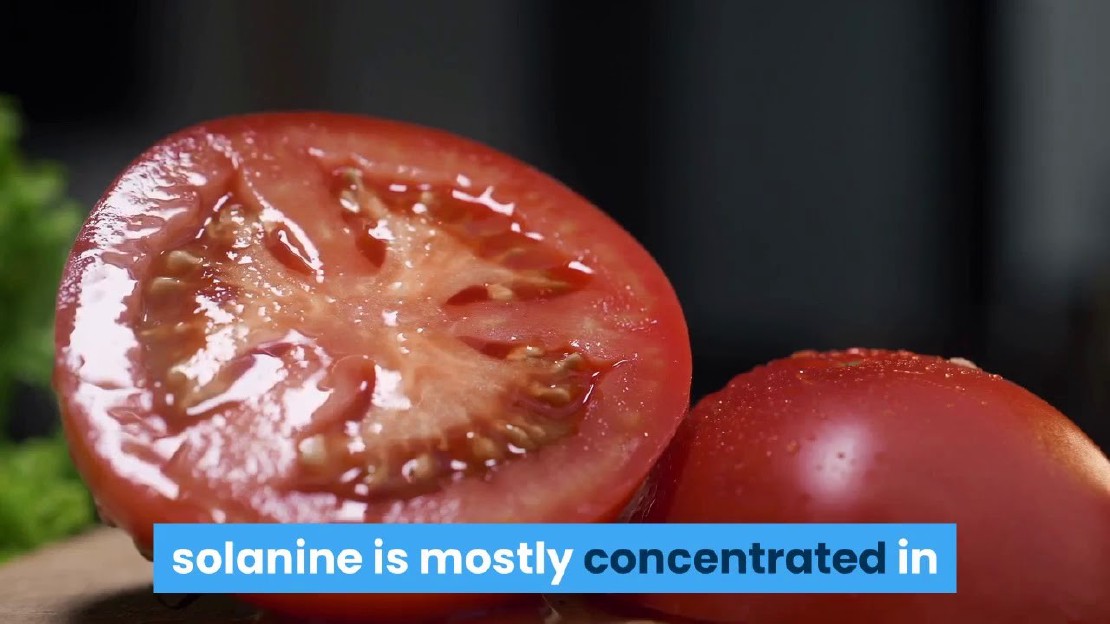
Dogs are curious creatures and often find themselves exploring their surroundings, including the plants and trees in our gardens. While many plants are harmless to dogs, there are some that can be toxic and even potentially fatal if consumed. One such plant is the tomato plant, particularly its leaves.
Tomato leaves contain a toxic substance called solanine, which is also found in other nightshade plants like potatoes and eggplants. Solanine is a glycoalkaloid and can be harmful to both humans and animals if ingested in large quantities. While tomatoes themselves are generally safe for dogs to eat in moderation, the leaves, stems, and green unripe tomatoes contain higher levels of solanine compared to the ripe fruit.
If a dog ingests a small amount of tomato leaves, it may cause mild gastrointestinal upset, such as vomiting or diarrhea. However, consuming a large quantity or repeated ingestion of tomato leaves can lead to more serious symptoms. These can include excessive drooling, abdominal pain, loss of appetite, weakness, tremors, and even cardiac arrhythmias. In severe cases, it can be fatal.
If you suspect your dog has ingested tomato leaves or any other toxic plant, it is important to seek veterinary assistance immediately. The veterinarian will be able to provide the necessary treatment and care to minimize the effects of the toxin and ensure the dog’s well-being.
Prevention is always the best approach when it comes to keeping our furry friends safe. If you have tomato plants in your garden and a curious dog, it is advisable to take precautions to prevent access to the leaves and stems. Restricting access to the garden or creating physical barriers, such as fencing or cages, can help keep dogs away from potentially harmful plants.
Tomatoes are a common ingredient in many human dishes, but can dogs safely consume them? While tomatoes can be enjoyed by dogs in moderate amounts, there are some important considerations to keep in mind.
Lycopene, a powerful antioxidant found in tomatoes, is beneficial for dogs as it can help to reduce the risk of certain types of cancer and promote a healthy immune system. However, it is important to note that dogs cannot efficiently digest raw tomatoes. Therefore, it is best to feed them cooked or processed tomatoes to avoid any potential digestive issues.
Green tomatoes and tomato plants should be avoided as they contain solanine, a toxic substance that can be harmful to dogs. Green tomatoes can cause gastrointestinal upset, including vomiting and diarrhea, and in severe cases, solanine poisoning can be fatal. Additionally, tomato plants and their leaves contain tomatine, which can also be toxic to dogs if ingested in large amounts.
Tomato-based products such as tomato sauce, ketchup, and canned tomatoes should also be fed to dogs in moderation. These products often contain added ingredients like onions and garlic, which can be toxic to dogs. Additionally, these products are often high in sodium and can contribute to health issues such as obesity and heart disease if consumed in excess.
In conclusion, while tomatoes can provide certain health benefits to dogs, it is important to feed them in moderation and take precautions to avoid any potential toxicity. If you have any concerns or questions about feeding tomatoes to your dog, it is always best to consult with a veterinarian for personalized advice.
Dogs can be sensitive to certain plants and substances, and tomato leaves are no exception. While tomatoes themselves are generally safe for dogs to consume in moderation, the leaves and stems of the tomato plant contain a toxic substance called solanine. This compound can be harmful to dogs if ingested in large quantities.
Solanine is a natural defense mechanism of the tomato plant, designed to ward off insects and other pests. However, when dogs consume tomato leaves, they can experience a range of symptoms, including gastrointestinal upset, drooling, stomach pain, diarrhea, and vomiting. In severe cases, dogs may also develop tremors, seizures, or difficulty breathing.
If you suspect that your dog has ingested tomato leaves, it is important to monitor their behavior and contact your veterinarian for guidance. They may recommend inducing vomiting or administering activated charcoal to help prevent the absorption of the toxic compounds. In some cases, supportive care and monitoring may be necessary to ensure your dog recovers fully.
Prevention is key when it comes to protecting your dog from the potential dangers of tomato leaves. If you have tomato plants in your garden or yard, make sure they are fenced off or otherwise inaccessible to your dog. Additionally, be cautious when disposing of tomato plant trimmings, as dogs may be tempted to eat them. Keeping a watchful eye on your furry friend and providing them with a safe and dog-friendly environment is crucial for their well-being.
If you suspect that your dog has eaten tomato leaves, it is important to take action promptly to ensure their safety. While tomato leaves can be harmful to dogs, the severity of the reaction can vary depending on the amount consumed and the size of the dog. Here are some steps you can take if you find your dog has ingested tomato leaves:
Remember, prevention is key when it comes to keeping your dog safe from potentially harmful substances. Keep an eye on your surroundings and be proactive in removing any potential hazards. If you have any concerns or questions, don’t hesitate to reach out to your veterinarian for guidance.
Yes, tomato leaves can be toxic to dogs. Tomato plants contain solanine, a toxic substance that can cause various symptoms in dogs when ingested.
The symptoms of tomato leaf poisoning in dogs may include drooling, vomiting, diarrhea, lethargy, weakness, tremors, seizures, and even coma in severe cases.
Even a small amount of tomato leaf ingestion can be dangerous for dogs. It is best to keep tomato plants out of reach of dogs to avoid any potential poisoning.
If your dog ingests tomato leaves, it is important to contact your veterinarian immediately. They will be able to provide guidance on whether any treatment is necessary based on your dog’s specific situation.
Why has my dog started peeing inside? Is your dog having accidents in the house? Don’t worry, you’re not alone. Many dog owners have …
Read Article
Why don t other dogs like my dog? Every dog has a unique personality, just like humans. Some dogs are energetic and playful, while others are more …
Read Article
Why dogs eat their newborn puppies? It is a shocking and distressing sight to witness a mother dog eating her own newborn puppies. This behavior, …
Read Article
Will green beans help my dog lose weight? Many dog owners struggle with helping their furry friends maintain a healthy weight. Obesity in dogs can …
Read Article
What should i get my dog for christmas? The holiday season is fast approaching, and it’s time to start thinking about what gifts to get for your …
Read Article
Will getting my male dog fixed calm him down? Hyperactivity in male dogs can be a common issue for many pet owners. It can manifest in various forms, …
Read Article