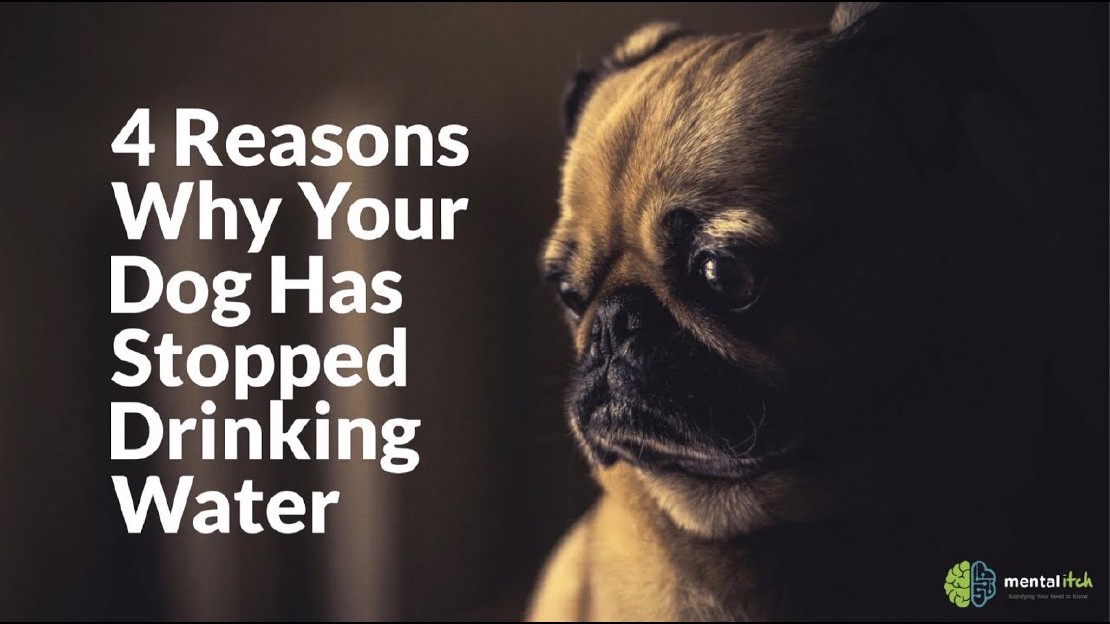
Reasons why your dog has stopped drinking water
Why has my dog stopped drinking water? Water is an essential part of your dog’s health and well-being. However, if you notice that your dog has …
Read Article
The Australian Cattle Dog, also known as the Blue Heeler or Queensland Heeler, is a highly intelligent and active breed. They are known for their ability to herd cattle and work in challenging conditions. However, their intelligence and energy can make them a bit challenging to train.
One of the reasons Australian Cattle Dogs can be difficult to train is their independent nature. They are bred to work independently and make decisions on their own. This can make them less inclined to listen to commands and directions from their owners. It is important for the trainer to establish themselves as a strong leader and build a bond of trust and respect with the dog.
Another factor that contributes to the training difficulty is their high energy level. Australian Cattle Dogs have a lot of stamina and need plenty of physical and mental exercise. Without proper exercise, they can become bored and restless, which can lead to destructive behaviors. Training sessions should be short and engaging to keep them focused and motivated.
Furthermore, Australian Cattle Dogs are known for their strong herding instinct. This instinct can sometimes manifest as nipping at heels or chasing after moving objects, including children or other animals. It is important to teach them appropriate behaviors and redirect their energy towards acceptable activities.
Despite these challenges, Australian Cattle Dogs are highly trainable with the right approach and consistency. They thrive when given tasks to complete and respond well to positive reinforcement techniques. Training should involve a mix of mental stimulation, physical exercise, and clear communication to bring out the best in these intelligent and loyal dogs.
The Australian Cattle Dog, also known as the Blue Heeler or Queensland Heeler, is a hardworking and highly intelligent breed. These dogs were originally bred in Australia for herding livestock, especially cattle, and they possess a variety of characteristics that make them well-suited for this task.
One of the most notable characteristics of Australian Cattle Dogs is their high energy level. These dogs are extremely active and require plenty of exercise to keep them physically and mentally stimulated. Their natural athleticism and endurance make them excellent partners for outdoor activities such as hiking, running, or participating in dog sports.
Another key characteristic of Australian Cattle Dogs is their strong instinct for herding. These dogs have a natural talent for controlling and moving herds of animals. They are known for their intense gaze, referred to as the “eye,” which allows them to anticipate and respond to livestock’s movements. This instinct can sometimes translate to their behavior with other pets or small children, as they may try to herd or nip at them.
Australian Cattle Dogs are also renowned for their intelligence and trainability. They are quick learners and excel in obedience training and agility competitions. However, their high intelligence can also make them independent thinkers, so consistent and firm training methods are necessary to prevent them from becoming stubborn or bossy.
In terms of appearance, these dogs have a distinct and eye-catching coat. The Australian Cattle Dog’s coat is dense and weather-resistant, providing protection from the elements while working outdoors. The most common color pattern is blue or red speckled, often with blue or brown markings. Their coat requires regular grooming to keep it clean and healthy.
Overall, Australian Cattle Dogs are loyal, protective, and highly adaptable. They thrive in homes where they have a job to do and receive plenty of mental and physical stimulation. With the right training and socialization, they can make excellent companions and working dogs for individuals or families who lead active lifestyles.
Australian Cattle Dogs, also known as Blue Heelers, are highly intelligent and energetic dogs known for their working abilities. However, their intelligence and energy levels can present some training challenges.
One of the main challenges with training Australian Cattle Dogs is their independent nature. They are bred to think for themselves and make decisions while herding livestock, which can make them less inclined to follow commands blindly. This means that training requires a patient and consistent approach, as well as clear and concise communication.
Another challenge is their high energy levels. Australian Cattle Dogs were originally bred to work all day in demanding conditions, so they have a lot of stamina and need plenty of physical and mental exercise. If their energy needs are not met, they can become bored and destructive, making training even more challenging. It’s important to provide them with regular exercise and mental stimulation to keep them engaged and focused during training sessions.
Additionally, Australian Cattle Dogs can be prone to being stubborn and willful. They are known to test boundaries and challenge their owners’ authority. It’s important to establish yourself as the pack leader and set consistent rules and boundaries from the beginning. Positive reinforcement techniques, such as using treats and praise, can help motivate them to obey commands.
Furthermore, Australian Cattle Dogs have a strong herding instinct, which can make them inclined to nip or try to herd children, other pets, or even cars. This herding behavior needs to be redirected and controlled through consistent training and socialization. Teaching them appropriate outlets for their herding instincts, such as herding sports or obedience training, can help channel their energy in a positive way.
In conclusion, while Australian Cattle Dogs are highly intelligent and trainable, they do present some challenges due to their independent nature, high energy levels, stubbornness, and herding instincts. With the right approach, consistency, and proper socialization, these challenges can be overcome, and Australian Cattle Dogs can become well-behaved and obedient companions.
Australian Cattle Dogs are highly intelligent and energetic dogs that require proper training to ensure they are well-behaved and obedient. Here are some effective training techniques to consider when working with Australian Cattle Dogs:
1. Consistent and Positive Reinforcement: Australian Cattle Dogs respond well to positive reinforcement, so it’s essential to reward them with treats, praise, and playtime when they exhibit desired behaviors. Consistency in training and using positive reinforcement will help them understand what is expected of them.
2. Socialization: Australian Cattle Dogs need early and ongoing socialization with people and other animals to prevent them from becoming overly protective or aggressive. Exposing them to different environments, experiences, and individuals from a young age will help them become well-adjusted and friendly dogs.
3. Mental Stimulation: Australian Cattle Dogs are intelligent dogs that thrive on mental stimulation. Incorporating puzzle toys, obedience training, and interactive games into their routine can help keep their minds engaged and prevent boredom-related destructive behaviors.
4. Firm Leadership: Australian Cattle Dogs are naturally dominant dogs, so it’s crucial for owners to establish themselves as the pack leader. Setting clear boundaries and consistently enforcing rules will help them understand their place in the household hierarchy and prevent them from exhibiting stubborn or dominant behaviors.
5. Use Positive Correction Techniques: When correcting undesirable behaviors, it’s important to use positive correction techniques such as redirecting their attention, ignoring the behavior, or using a firm but calm voice. Avoid using physical punishment or harsh corrections, as this can lead to fear or aggression in Australian Cattle Dogs.
6. Obedience Training: Australian Cattle Dogs benefit greatly from structured obedience training. Teaching them basic commands like sit, stay, and come can help establish control and improve their overall behavior. Consistency, patience, and positive reinforcement are key when training them in obedience.
7. Physical Exercise: Australian Cattle Dogs are high-energy dogs that require plenty of physical exercise to prevent boredom and destructive behaviors. Daily walks, runs, or engaging in activities like agility training or herding exercises can help fulfill their need for physical exertion.
8. Seek Professional Help if Needed: If you’re struggling with training your Australian Cattle Dog, don’t hesitate to seek professional help. A professional dog trainer who specializes in working with this breed can provide guidance and additional tools to help you effectively train your dog.
By employing these training techniques and investing time and effort into effectively training your Australian Cattle Dog, you can ensure that they become well-behaved, obedient, and happy companions.
When it comes to training Australian Cattle Dogs, early socialization and consistency are crucial factors for success. These intelligent and energetic dogs require proper socialization from a young age to ensure they grow up to be well-rounded and adaptable. Early socialization helps them develop positive associations with various people, animals, and environments, making them more confident and less likely to exhibit fear or aggression.
Consistency is equally important when training Australian Cattle Dogs. These dogs thrive on routine and structure, so establishing clear rules and boundaries from the beginning is essential. Consistency in training methods, commands, and expectations helps to reinforce good behavior while preventing confusion and frustration. It’s also important to maintain consistency across different environments and with different trainers to avoid any setbacks or confusion.
To effectively socialize and train an Australian Cattle Dog, it’s recommended to expose them to various experiences and stimuli from an early age. This can include introducing them to different environments, such as parks, beaches, and urban settings, to help them become accustomed to different sounds, sights, and smells. It’s also important to expose them to different people and animals, ensuring positive interactions and teaching them appropriate behavior.
Moreover, using positive reinforcement techniques, such as treats, praise, and rewards, can further enhance the training process. Australian Cattle Dogs are highly food motivated, making treats an effective tool for teaching and reinforcing desired behaviors. Consistency in rewarding good behavior and ignoring unwanted behavior helps to shape their behavior positively.
Overall, early socialization and consistency are vital for training Australian Cattle Dogs. By providing them with positive experiences, clear rules, and consistent training methods, these intelligent and loyal dogs can become well-behaved and obedient companions. Patience, dedication, and a structured approach are key when training these spirited and independent dogs.
Training an Australian Cattle Dog can be challenging due to their high energy levels and natural herding instincts. However, with consistent and positive reinforcement training techniques, they can learn and excel in various tasks.
Australian Cattle Dogs are highly intelligent and versatile, making them capable of learning and performing a variety of tasks. They excel in herding, obedience, agility, search and rescue, and even therapy work. With proper training and socialization, they can adapt to different environments and excel in specific tasks.
Training an Australian Cattle Dog requires time, patience, and consistency. Their high energy levels and intelligence can make training sessions longer and more challenging. It is recommended to dedicate at least an hour each day for training and mental stimulation. Additionally, ongoing training and refreshers are needed throughout their lives to maintain their skills and good behavior.
Why has my dog stopped drinking water? Water is an essential part of your dog’s health and well-being. However, if you notice that your dog has …
Read Article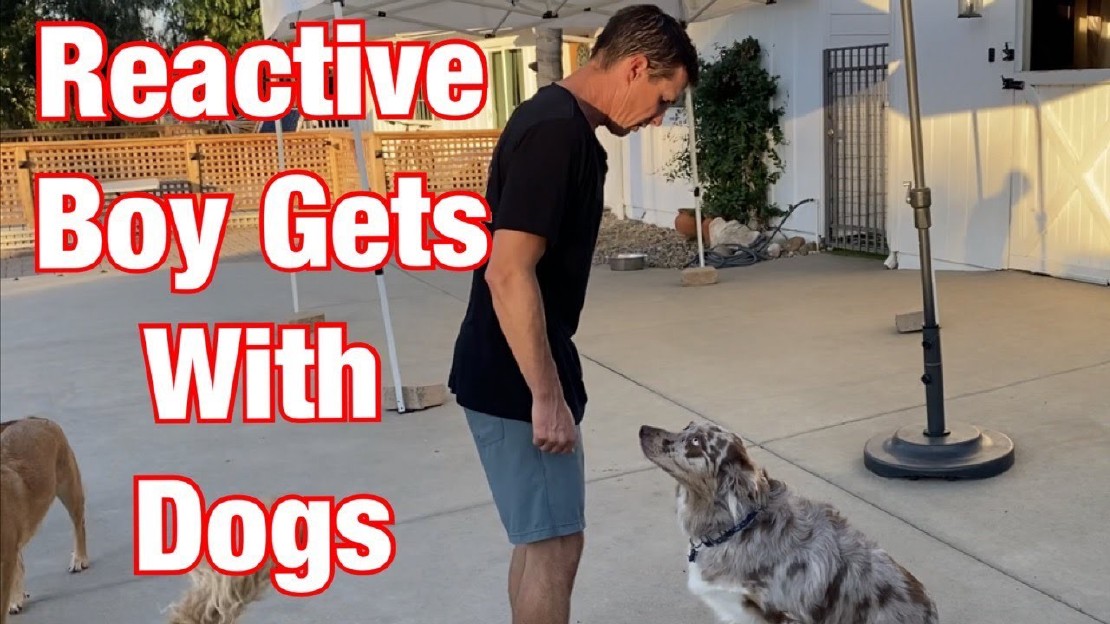
Why has my dog started snarling at other dogs? It can be quite alarming when your normally friendly and well-behaved dog suddenly starts snarling at …
Read Article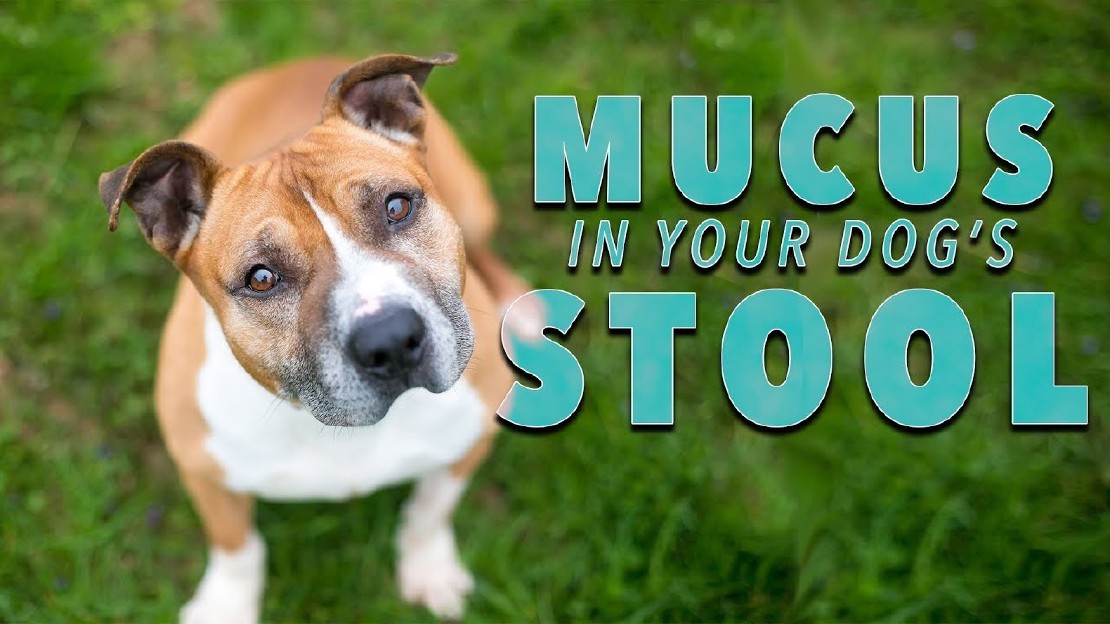
Why is my dog pooping clear gel? Seeing your dog poop clear gel can be a cause for concern, and you may be wondering what could be causing this …
Read Article
Why is the bush dog endangered? The bush dog, also known as the Savannah dog or the vineyard dog, is a small and elusive mammal native to the forests …
Read Article
Will lettuce hurt my dog? Dogs are known for their love of food and their ability to eat almost anything. However, when it comes to certain types of …
Read Article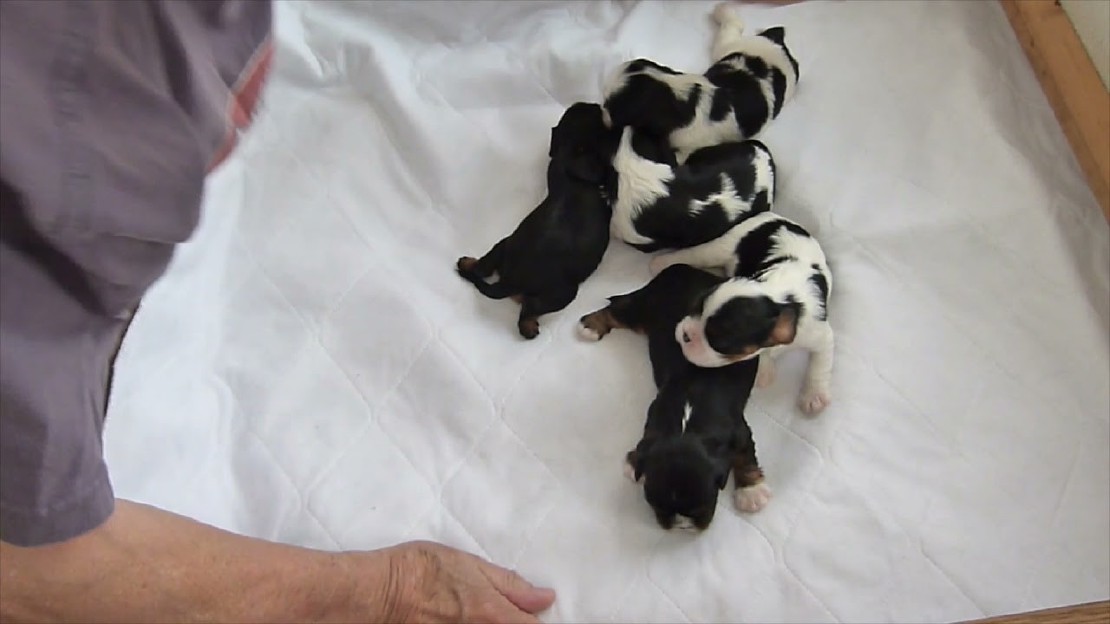
When can puppies leave the whelping box? Deciding when to separate puppies from their mother and the whelping box is a crucial decision that every …
Read Article